
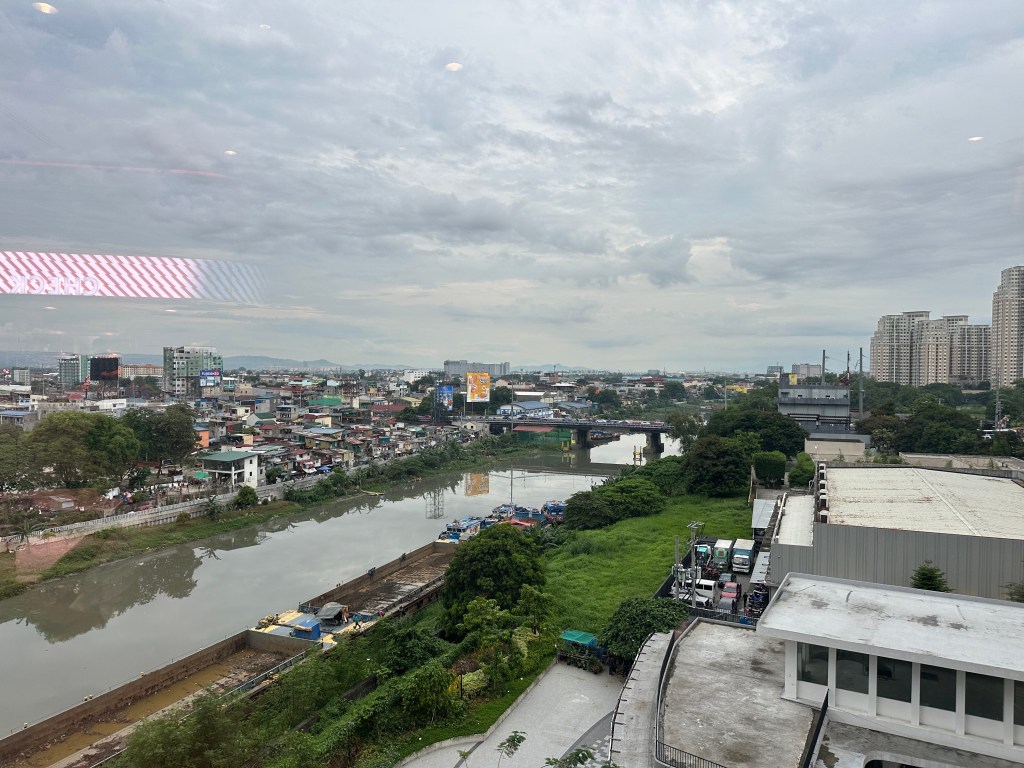
Look closely at any flourishing civilization, and you’ll find a river running through its heart.
Since the earliest times, rivers have nurtured human life. They quenched our thirst, fed our families, carried our dreams from one shore to another. People gathered around rivers to build homes, raise children, tell stories. Long before cities had borders or names, the river was already there—quietly watching, quietly giving.
Today, the world’s great cities—Paris, London, Florence, Bangkok, New York, Singapore, and Seoul—still honor their rivers like sacred threads that bind their past to their present. These waters are not hidden or forgotten. They’re lit with laughter, framed by memory, and celebrated by all who visit. Tourists enjoy boat rides, riverside cafes, festivals, and historical tours—all by the water’s edge. The river isn’t just scenery; it’s part of the city’s soul.
And then there is ours.
The Pasig River, once the lifeblood of settlements between Manila Bay and Laguna de Bay, played a major role in the birth of early Filipino communities. It connected people, moved goods, and powered early industries. In addition, its banks held the homes of the powerful and the hopeful—Malacañang Palace still stands as a witness. Once lined with grandiose bahay na bato, its shores were symbols of grace, commerce, and culture.
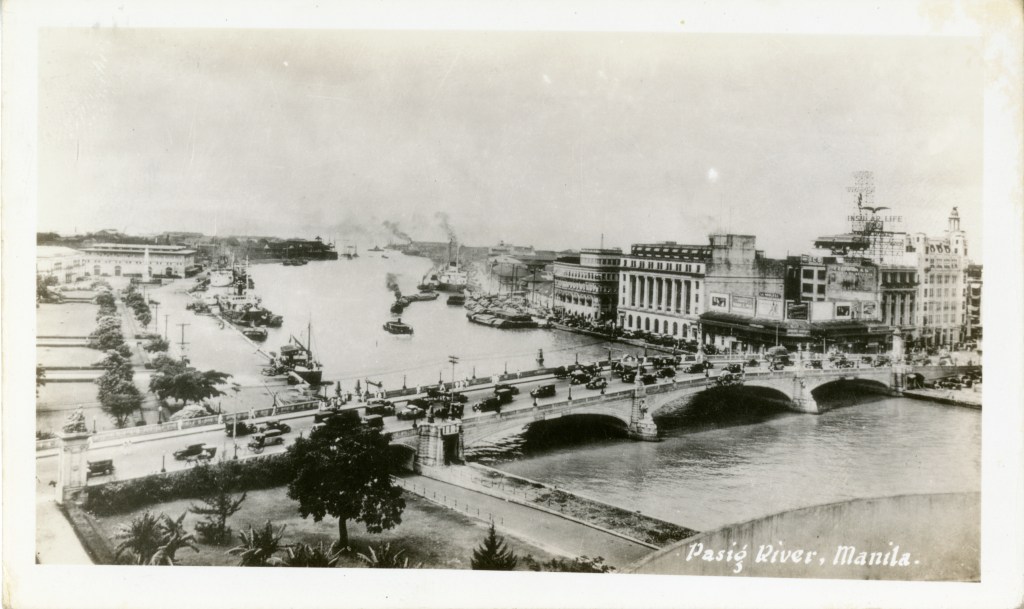
But over time, as the country grew, the river was pushed aside—polluted, buried under bridges and waste, stripped of dignity. Factories and homes turned their backs and used it as a dump, not a lifeline. The very hands it once fed, now forgot how to care for it. The result? A river many people now ignore or avoid.
But here’s something we need to remember:
When we abandon a river, we abandon a piece of ourselves.
In Paris, the Seine River winds past icons like the Eiffel Tower and Notre-Dame, offering romantic cruises and sunset views. The river isn’t just a view—it’s part of the Parisian identity.
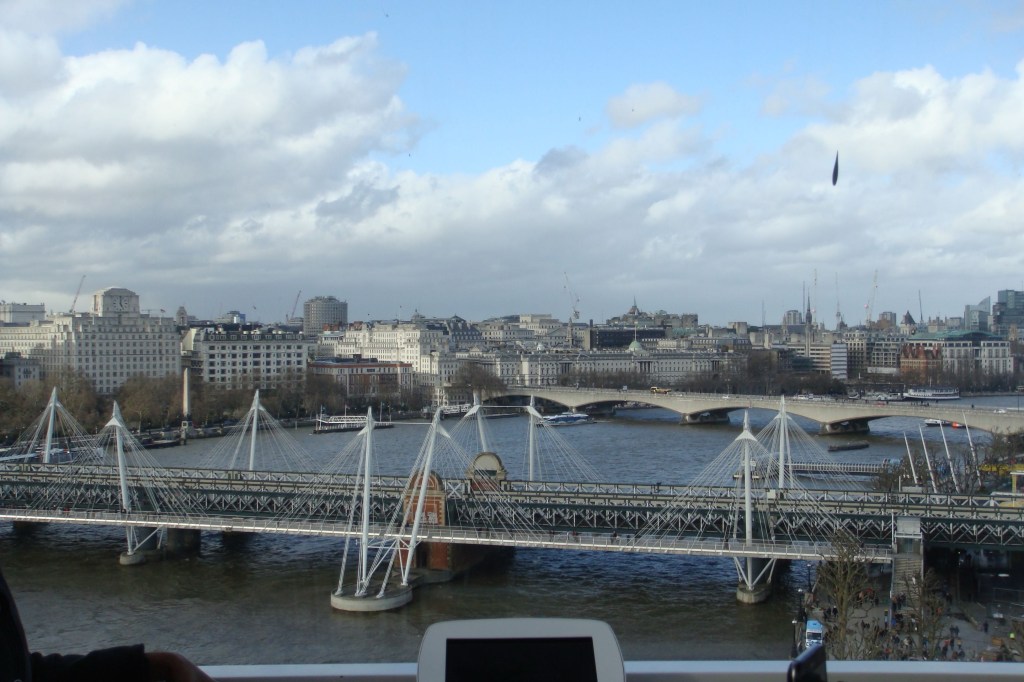
In London, the Thames River flows past Big Ben, Tower Bridge, and the London Eye. It’s a historic artery turned vibrant public space, with river buses, trails, and festivals breathing life into the city.
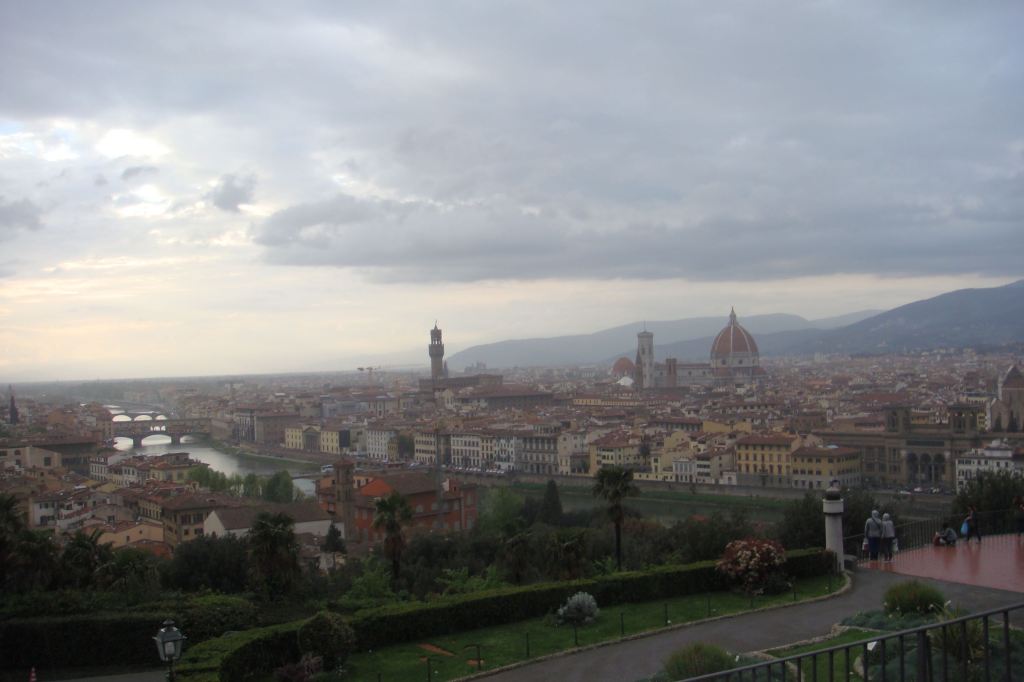
In Florence, the Arno River gracefully runs beneath the medieval Ponte Vecchio, surrounded by Renaissance architecture. It has inspired centuries of artists, writers, and dreamers—and continues to be one of the city’s most photogenic and symbolic spots.
In Bangkok, the Chao Phraya River connects locals and tourists alike to stunning temples like Wat Arun, the Grand Palace, and historic neighborhoods. Longtail boats weave through traditional canals, while river cruises offer a front-row seat to Thailand’s heritage.

New York City’s Hudson River serves as a grand natural border to Manhattan. Once industrial and polluted, it now features parks, museums, and ferry rides with skyline views that have become iconic.
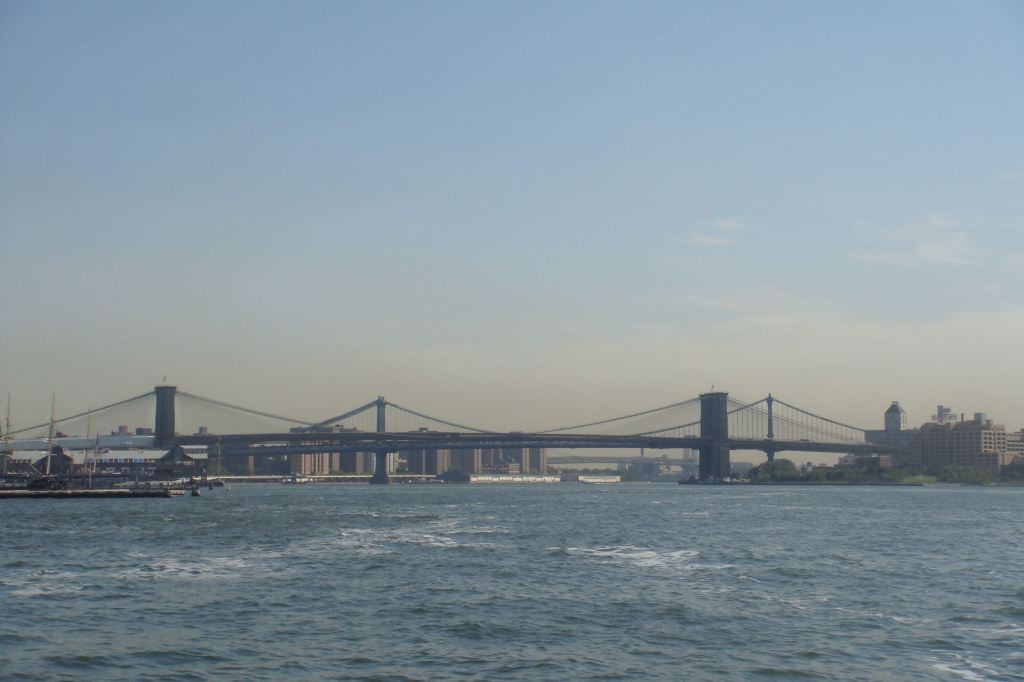
In Singapore, the Singapore River, once just as polluted as the Pasig, has been reborn. A massive cleanup campaign turned it into a vibrant hub of culture, dining, and tourism, particularly around Clarke Quay. That transformation didn’t happen overnight. It required leadership, funding, and public support—but it worked.
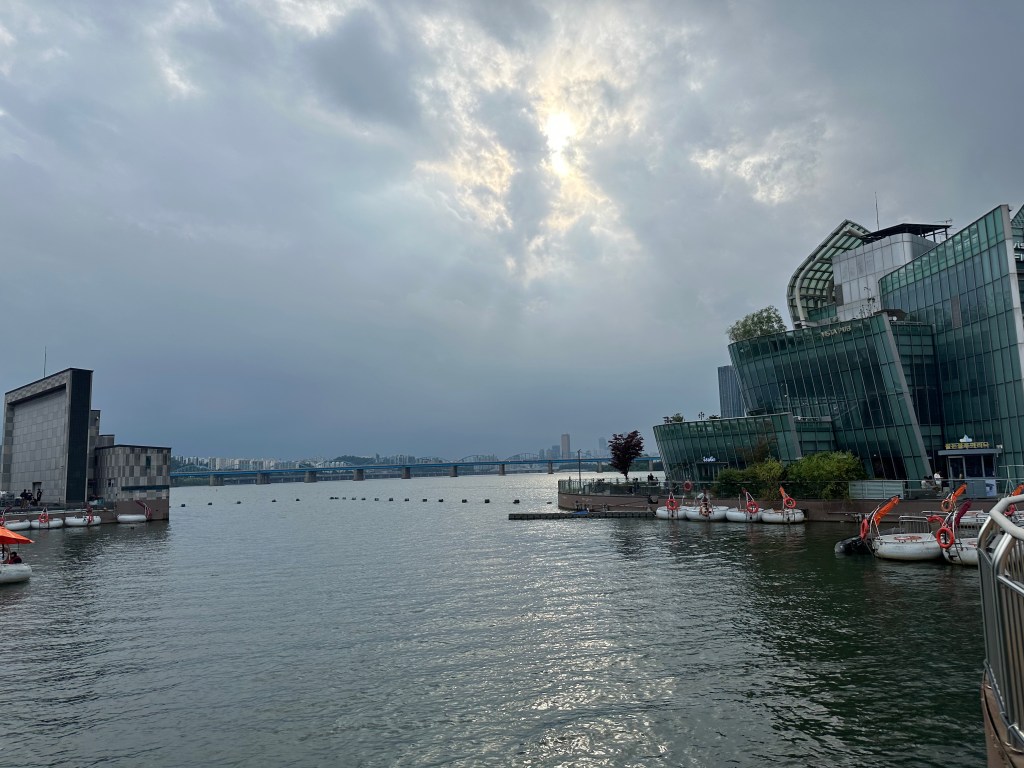
In Seoul, the Han River is a recreational hub with bike paths, parks, floating stages, and picnic grounds, celebrated as a modern public space that unites nature, city life, and culture.
The contrast is stark—but also hopeful. They did not give up on their rivers. They chose to remember. So why can’t we?
The Pasig River is not dead. It is wounded. And wounds can heal.
The Pasig River can be saved too. Efforts have already begun in small ways. Some areas have been cleaned. Awareness campaigns have been launched. But for real change to happen, it needs more than occasional attention. It needs a community that believes the river is worth saving.
What it needs now is not pity—but love. Not resignation—but responsibility.
Because the river doesn’t just carry water.
It carries memory.
It carries identity.
And if we don’t fight to bring it back, we risk losing something far more precious than a waterway.
We risk losing the story of who we are.
What do you think we can do to help the Pasig River breathe again?
Because if heritage flows through memory, then surely—our memory still flows through the Pasig River.

 Happy Rabbit PH
Leave a comment