
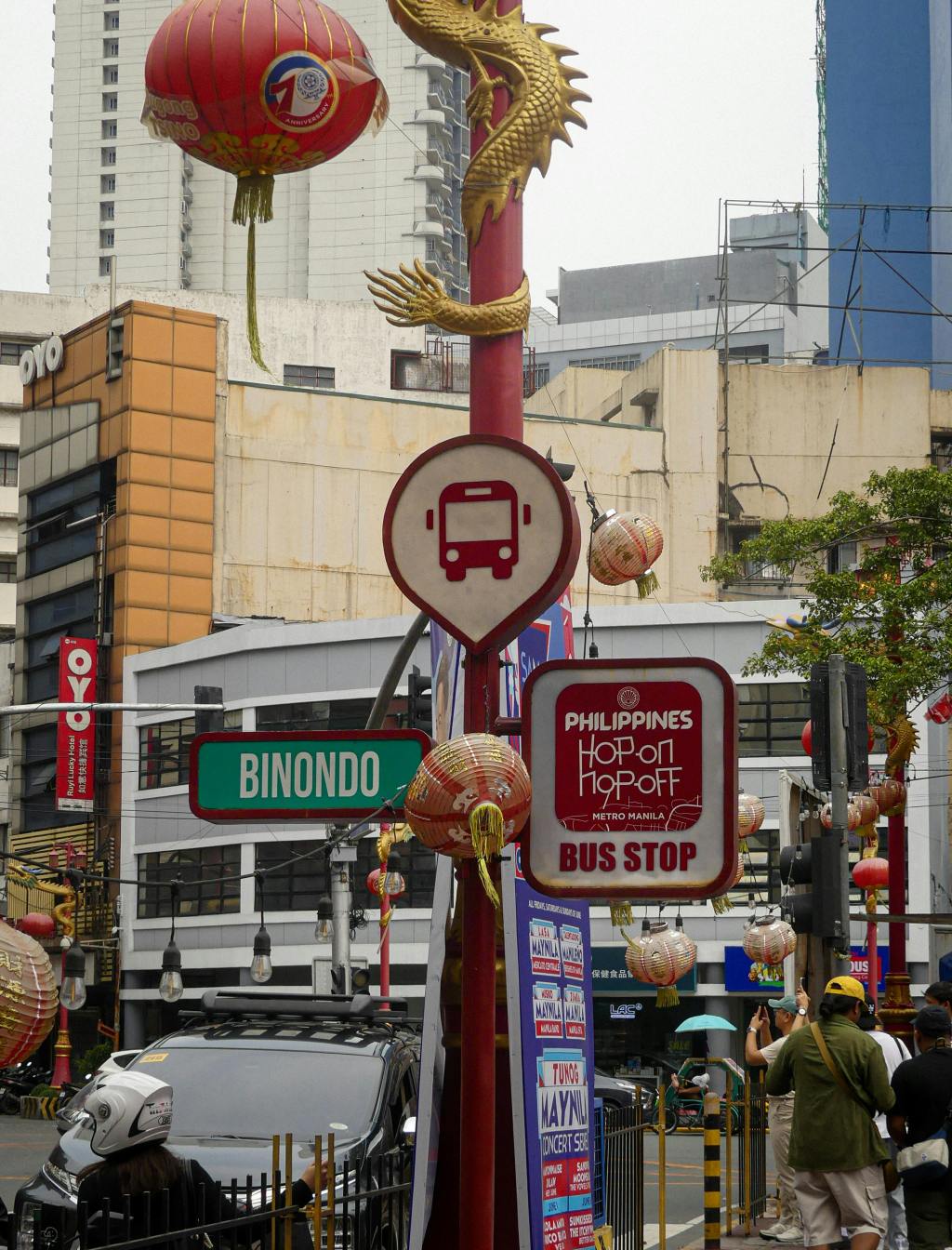
Binondo, Manila, is recognized as the world’s oldest Chinatown, established in 1594. But beyond its bustling streets and lively markets, Binondo holds a deeper treasure—its restaurants. These dining institutions are more than places to eat; they are living witnesses to Manila’s history, carrying within their walls the stories of migration, resilience, and shared identity between Filipino and Chinese communities.
Toho Panciteria Antigua (since 1888)
Often referred to as the oldest existing restaurant in the Philippines, Toho Panciteria Antigua traces its roots back to 1888. Through fires, rebuilding, and decades of change, it has remained a cornerstone of Binondo dining. It has fed generations of Manileños, including national hero José Rizal, who is said to have dined here. The place may look unassuming today, but its legacy is unmatched.
Among its offerings, the pork asado is especially worth trying. Balanced in flavor and comforting in its simplicity, it shines best when you get a slice with just the right amount of fat for tenderness. Leaner cuts can be a bit drier, but the dish still stands as a highlight on its enduring menu—a taste of history preserved on a plate.
Sincerity Café and Restaurant (since 1956)
Founded in 1956, Sincerity Café and Restaurant has long been a familiar name in Binondo. Known for its straightforward, home-style Chinese dishes, Sincerity has become a go-to for those seeking filling meals at very affordable prices. While its dishes may not compete with its neighbors in terms of culinary flair, its charm lies in accessibility.
For decades, Sincerity has offered filling meals at prices that welcome everyone, proving that heritage dining is not always about sophistication—it can also be about consistency and community. Go here if you who want a taste of Chinatown without straining the budget.
President Grand Palace (since the 1970s)
For decades, President Grand Palace stood as the crown jewel of Binondo dining. More than just a restaurant, it was the venue for family milestones, weddings, birthdays, and even political gatherings.
To dine here was to witness Chinese-Filipino hospitality at its grandest—spacious round tables, lazy Susans carrying dim sum, roast duck, fresh seafood, and the signature pata tim. What made our visits even more memorable were their salt and pepper squid and prawn salad, both dishes that captured the balance of flavor and texture that kept us coming back.
Ramon Lee’s Panciteria (since 1929)
Ramon Lee’s Panciteria has been a fixture of Santa Cruz since 1929, serving Chinese-Filipino dishes to generations of locals and travelers. Credited with pioneering set meals in the Philippines, the eatery has preserved a nearly century-old culinary tradition, combining nostalgia with hearty, accessible flavors.
The fried chicken is the star — marinated, boiled, and fried to golden perfection, paired often with pancit canton for a complete heritage meal. With its vintage charm and timeless recipes, Ramon Lee’s continues to be a living testament to Manila’s enduring food culture, where every bite tells a story of tradition, flavor, and history.
Masuki (since 1930s)
Masuki is one of the long-standing noodle houses on Benavidez Street, often associated with the early history of mami in Manila. Dating back to around the 1930s, the restaurant is frequently linked to the legacy of Ma Mon Luk, the pioneer credited with popularizing mami in the city. While the exact historical connection is debated, Masuki continues to carry the same enduring tradition of mami and siopao that helped define Binondo’s everyday food culture.
Today, Masuki remains known for its comforting bowls of mami, springy noodles served in a light yet flavorful broth, often paired with their soft, generously filled siopao. The experience is simple and unpretentious, complemented by their signature service tea that regulars have come to expect. Together, these familiar flavors keep Masuki firmly rooted as one of Binondo’s classic comfort-food stops.
Chuan Kee (since 1940s)
Chuan Kee has been a familiar name in Manila’s Chinatown since 1940 and is often recognized as one of Binondo’s oldest fast-food-style eateries. Known for its straightforward atmosphere and consistently affordable meals, the restaurant has remained a favorite among locals for generations.
Its menu highlights comforting Chinese-Filipino staples such as xiao long bao, pata tim, kiampong fried rice, and pancit canton. Simple, hearty, and full of flavor, the dishes reflect the kind of everyday comfort food that continues to draw long lines of diners.
Ling Nam (since 1950s)
Ling Nam traces its beginnings to the 1950s and grew from a humble noodle shop into a long-standing Binondo favorite. For decades, it became known as a dependable late-night spot where locals gathered for warm bowls of noodles after a long day.
The restaurant is best known for its beef wanton noodles, along with classic Cantonese comfort foods like siopao, siomai, and congee. While simple in style, the dishes continue to deliver the familiar flavors that have kept customers coming back for generations.
Feature Photo by Hancel Darroca on Pexels

 Happy Rabbit PH
Leave a comment