
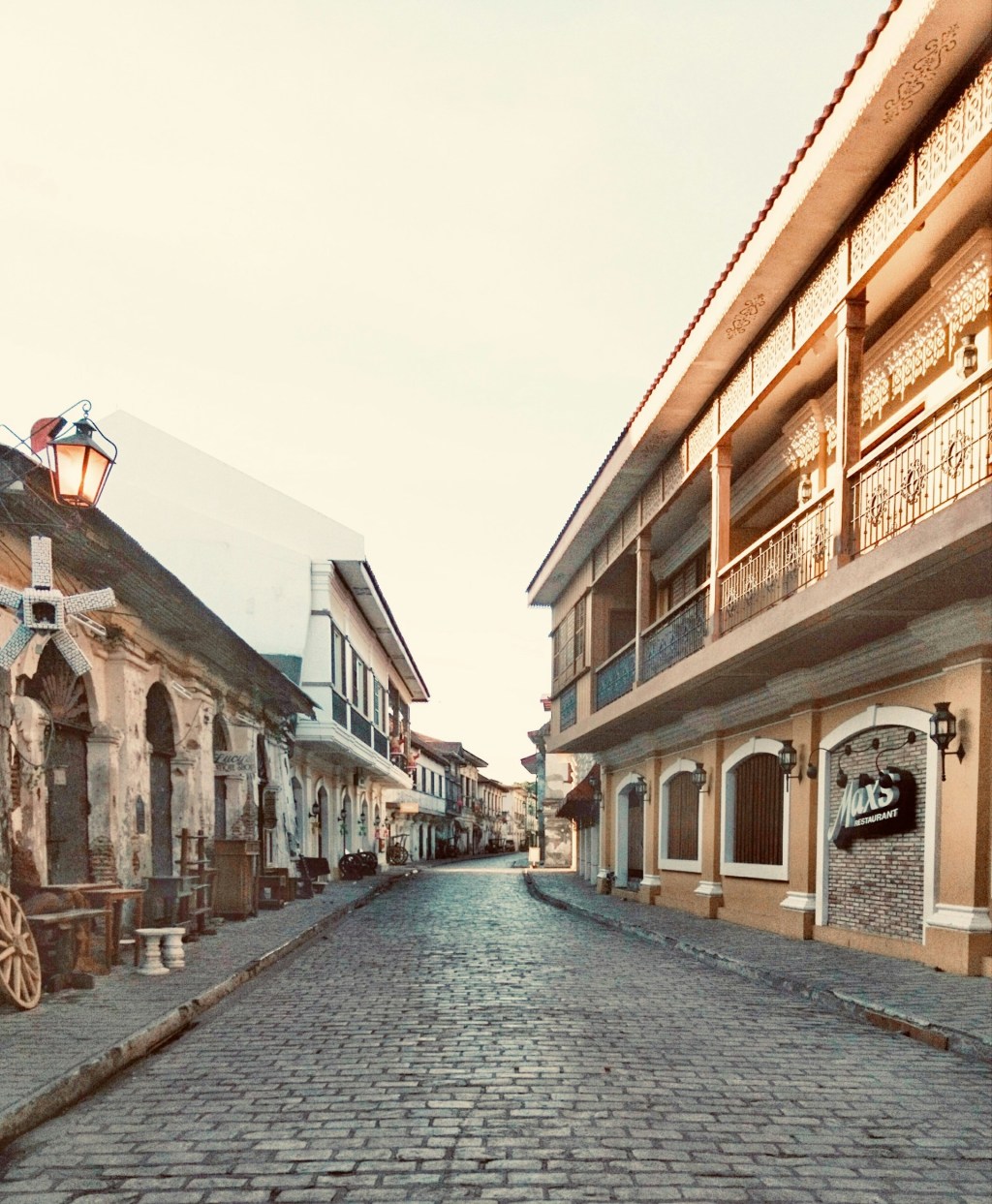
Every trip begins with a choice — to go, to explore, to see something beyond what is familiar. It takes courage to start a journey, whether it’s across the world or just across your own city. But here’s a question we don’t ask often enough as travelers: As we chase new destinations, are we forgetting the places that made us who we are?
Because sometimes, the bravest new beginning is not about building something new — it is about choosing to protect what already exists.
A Nation Built on Many Beginnings
Long before foreign ships appeared on our shores, the Philippine archipelago was already vibrant with life. Early Filipinos traded with neighboring cultures, navigated seas with confidence, and built communities rooted in cooperation and tradition.
Then in 1521, the arrival of Ferdinand Magellan marked what many history books call the “discovery” of the Philippines. Yet our islands were never lost — only newly seen by foreign eyes.
What followed reshaped our towns and daily life. Churches rose, plazas became centers of community, and generations learned to live within layers of influence both foreign and local.
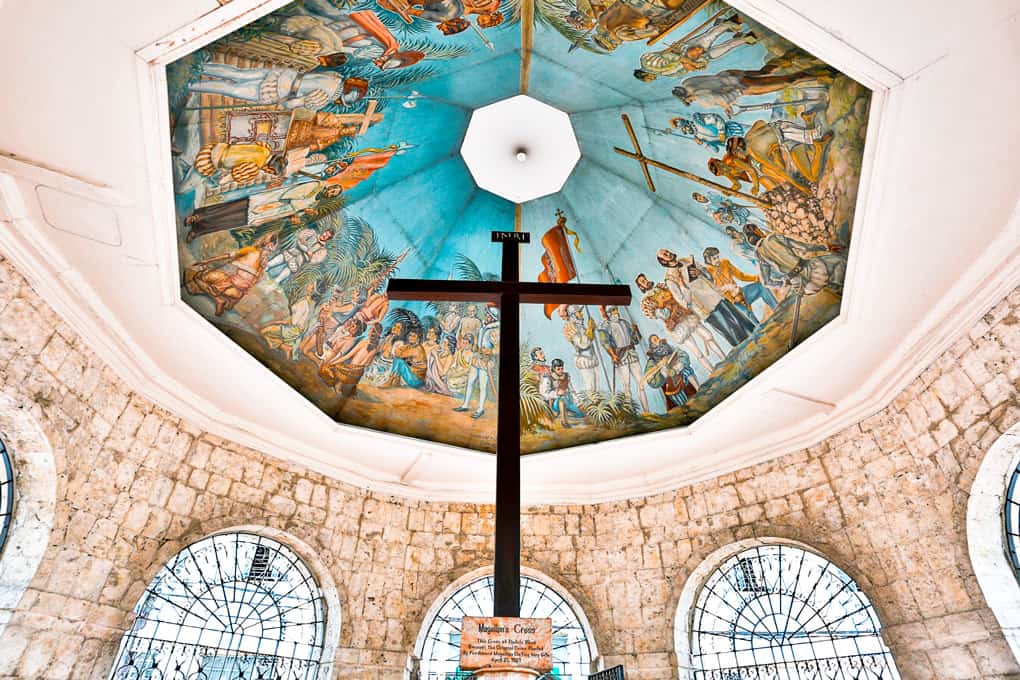
Still, Filipinos endured. More than that — we adapted.
We became a culture comfortable with reinvention, capable of turning disruption into identity. And perhaps that is why the idea of new beginnings feels so natural to us.
Why Looking Back Is a Form of Courage
In today’s fast-moving world, progress often looks like glass towers and brand-new developments. Old buildings are treated as inconveniences rather than witnesses to history.
But travel teaches us something powerful: You cannot truly move forward if you erase the story behind you. Look at how other countries have understood this.
In Sydney, Australia, The Rocks — once nearly demolished — was saved through public effort and vision. Instead of tearing it down, the city embraced adaptive reuse. Former warehouses became restaurants, historic homes turned into boutique hotels, and old streets found themselves alive again with locals and travelers alike.
History did not become stagnant. It became experiential. Old places found new life.
Thailand: Where Culture Is Everyday Life
Walk through Bangkok and you will notice something remarkable — towering malls exist, but just minutes away stand centuries-old temples glowing quietly against the skyline.
Thailand never treated tradition as something outdated.
Royal palaces are protected. Floating markets continue to operate. Ancient temples are maintained with reverence. Even cultural practices are intentionally passed down, not just displayed for tourists but lived by locals.
Progress did not erase identity. Instead, modern Thailand grew around its heritage, not over it.
Imagine the discipline that requires — the national agreement that culture is not disposable.
France: Protecting the Soul of a City
Now picture the River Seine in Paris.
For centuries, it has been the lifeblood of the city — lined with historic architecture, bookstalls, bridges, and walkways that feel suspended in time. The French could have easily replaced these riverbanks with aggressive commercial development. They chose restraint instead.
Today, the Seine is protected not just as a waterway but as cultural heritage. Its surroundings are carefully regulated so that the historic character remains intact. The result?
Paris does not feel like a city that abandoned its past to welcome the future. It feels timeless. And that timelessness is exactly what draws millions of travelers each year.
Preservation, it turns out, is not anti-progress. It is economic wisdom. It is cultural confidence. It is national pride.
A Question for Us Filipinos
Now pause and look around our own cities.
How many theaters, art deco buildings, and heritage streets have been lost quietly?How many stories have we buried beneath parking lots and high-rises?
The Philippines is overflowing with history — yet too often we equate “new” with “better.” But what if our next great beginning is not about constant replacement — but about care?
Adaptive reuse is more than an architectural strategy; it is a declaration that the past still matters. Old places can evolve. Old spaces can inspire. Old stories can guide us forward.
Imagine ancestral houses becoming creative hubs. Historic districts turned into walkable cultural centers. Old structures revived instead of erased. This is not nostalgia. This is vision.
Loving Our Culture Is Loving Ourselves
Some of the challenges we face today are not just structural — they are emotional.
When a people lose connection with their heritage, they begin to lose clarity about who they are.
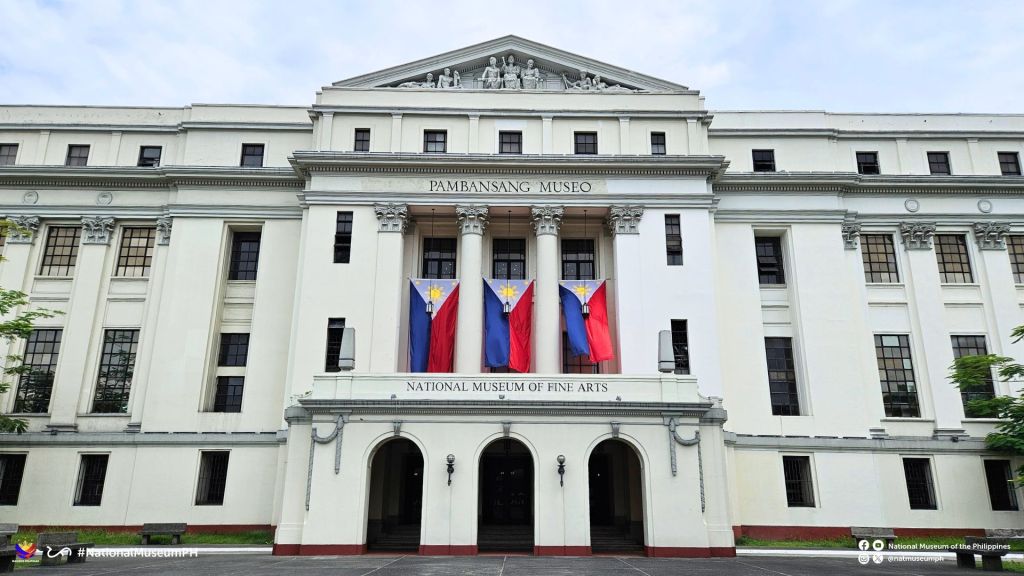
To protect our culture is to affirm our identity. Because how can we expect visitors to value the Philippines if we do not visibly value it ourselves?
Every preserved building says: Our story matters. Our roots are strong. And every traveler who chooses heritage destinations becomes part of that protection.
Perhaps this is the new beginning being asked of us — not louder nationalism, but deeper care. A beginning grounded in pride. In awareness. In respect for what shaped us and continuous shape us.
Travel With Purpose
The next time you plan a journey, try looking beyond what is trending. Walk slower through old districts. Support businesses housed in restored structures. Ask about the stories behind weathered walls. Share them.
Because when travelers care, places survive. And survival is the foundation of every future.
Our Next New Beginning
History has proven that Filipinos know how to rise. After colonization, after war, after disasters — we rebuild. We move forward. We hope.
But perhaps the courage required of us now is quieter — and more intentional. The courage to remember. The courage to preserve. The courage to declare: This is who we are, and we will not let it disappear.
New beginnings are not always about creating something from nothing. Sometimes, they begin the moment we decide that our past is worth carrying into the future. Because a nation that learns to love its heritage ultimately learns to love itself. And maybe — just maybe — that is the beginning the Philippines needs most right now.
Featured Image: Photo by Jarm Rafols on Unsplash

 Happy Rabbit PH
Leave a comment