
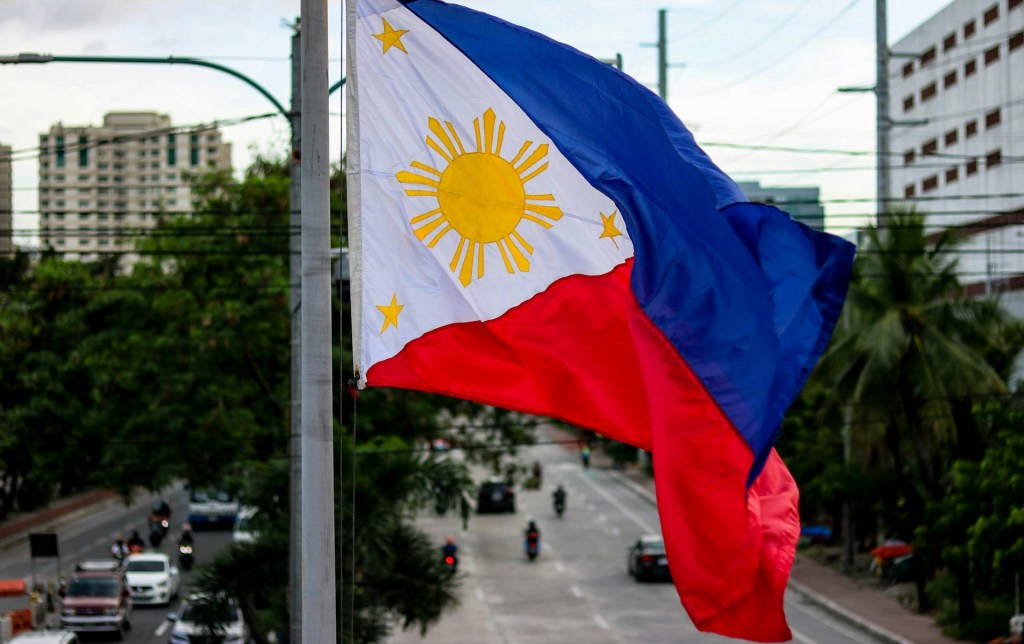
What does it really mean to be Filipino in the present time?
Is it found in the places that still carry traces of the past—old churches, historic streets, and stories passed from one generation to the next? Is it in the food we naturally turn to when we miss home? Or is it in the way we live today—fast-moving, connected, and constantly shifting?
Maybe it’s all of these. Or maybe it’s something we are still learning to understand.
And perhaps the deeper question is not just what it means to be Filipino—but how much of it we still recognize, value, and take pride in.
This quarter, Happy Rabbit looks at national identity and pride as something active and personal—not just inherited from the past, but shaped by how we choose to live today.
Because being Filipino is not only about where we come from. It is also about what we decide to continue.
Faith: Something That Persists Quietly
Faith has always been present in Filipino life, in ways both visible and subtle.
It exists in historic churches that remain central to many communities. But it also exists in ordinary routines that rarely get noticed.
A brief prayer before leaving home. A moment of gratitude when things go right. A sense of hope during uncertain times, even without clear answers.
This raises a quiet reflection: Do we still see faith as something that connects us—not only to belief, but also to one another?
In a world that moves quickly, faith invites a pause. It asks what we rely on when certainty is not available.
Nationhood: A Shared Responsibility
To be Filipino is to be part of a wider story—one shaped by history, struggle, and resilience. But nationhood today is not only something we look back on. It is something we take part in daily.
It appears in simple actions that often go unnoticed: helping when it is needed, staying responsible within our communities, choosing to care even in small ways.
This leads to a personal question: What kind of country are we contributing to through the way we live now?
Because nationhood is not only a feeling of belonging. It is also a series of choices repeated over time.
Living Culture: Continuity in Motion
Filipino culture is not fixed in the past. It continues to shift, adapt, and reshape itself with each generation.
It can be seen in familiar food presented in new ways. In traditions that continue, even if their expressions change. In everyday spaces where old and new exist side by side.
This is what it means to move with heritage rather than away from it—to allow history to remain present while life continues forward.
And it invites reflection: Are we simply remembering culture, or are we actively shaping it as we live it?
Because culture does not remain alive on its own. It continues through participation and awareness.
One Identity, Many Expressions
This quarter, Happy Rabbit explores identity through three approaches:
- Tradition Unboxed — revisiting practices that shaped everyday Filipino life
- Heritage Bites — understanding identity through food and shared memory
- Time Travel — exploring places where history remains present in the environment
Each offers a different perspective, but they all point toward the same idea: identity is not a single definition—it is a collection of lived experiences.
So What Does It Mean to Be Filipino?
It means carrying a history that deserves attention. But also living in a present that requires awareness.
It means pausing to ask ourselves: Do I understand where I come from—and does it still matter to me today?
And if it does, then the next question follows naturally: How do I express that understanding in the way I live, choose, and act moving forward?
Pride in identity is not always loud or visible. Sometimes it is shown in how we treat others, what we support, and what we choose to preserve in everyday life.
Because identity is not something completed in the past. It continues to develop through the present.
And being Filipino is not only about remembering a story. It is about deciding—again and again—how we take part in it.

 Happy Rabbit PH
Leave a comment