
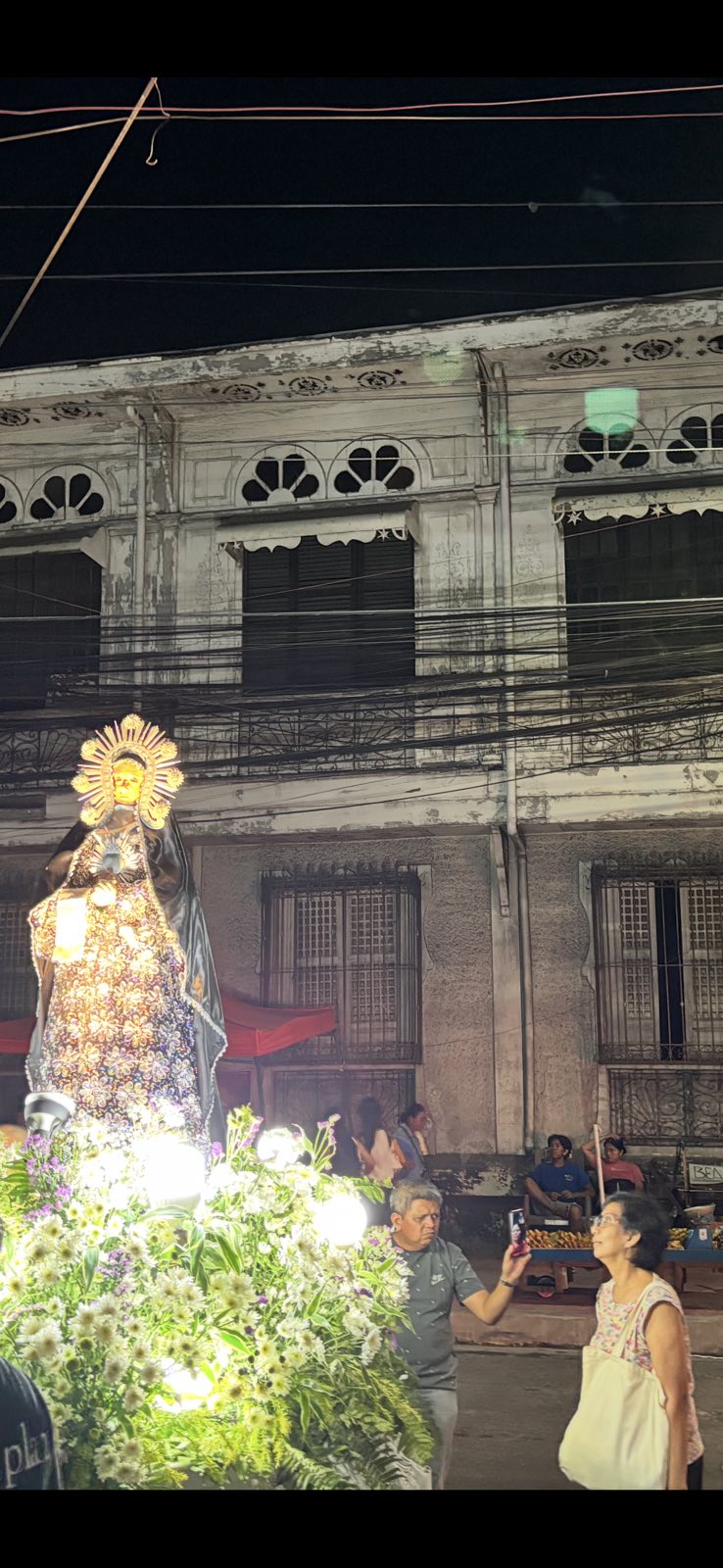
There are moments in the Philippines when life naturally slows down.
Not because everything stops—but because something in the rhythm of daily life gently shifts inward.
And in those moments, one thing becomes clear: faith is still deeply present in the Filipino experience.
But what does faith look like today?
- Is it found in traditions passed down through generations?
- In quiet personal moments of reflection?
- Or in the way people continue to seek meaning in an unpredictable world?
Maybe it is all of these. Or maybe it is something that continues to evolve with us.
Before the Churches: Early Filipino Belief Systems
Long before colonization, early Filipino communities already had a strong spiritual understanding of the world.
Life was closely connected to nature, ancestry, and unseen forces believed to shape daily existence. Rituals were guided by babaylan—spiritual leaders who played roles in healing, guidance, and community life.
Faith was not separated from everyday living. It was embedded in it.
When Catholicism was introduced during the Spanish period, it did not replace these early beliefs in a simple way. Instead, it merged with existing cultural practices over time. This blending created a uniquely Filipino expression of faith—structured, symbolic, and deeply personal at the same time.
This ongoing blending is part of what we now experience as reliving the past in modern times, where older traditions continue to appear in present-day practices and beliefs.
Traditions That Continue to Shape Reflection
Across the Philippines, expressions of faith remain visible in many forms, depending on region, family, and personal practice:
- Visita Iglesia — visiting churches as a form of reflection and devotion, often shared with family or friends
- Processions — community gatherings where religious images are carried through towns, blending faith with collective participation
- Pabasa — the continuous chanting of sacred narratives, sometimes lasting for long hours as a shared act of devotion
- Senakulo — dramatic reenactments of religious stories performed in communities, keeping oral and performative traditions alive
- Personal acts of reflection — from prayer to silence to intentional pause from routine, practiced in different ways by different people
These traditions may appear familiar, even routine. But they continue because they carry meaning for those who take part in them.
They are not just expressions of belief. They are expressions of continuity.
Faith in a Changing World
Not everyone experiences faith and reflection in the same way—and that’s okay.
For some, it is expressed through tradition and community. For others, it is quiet and personal. For many, it is something that shifts depending on life stage, experience, and environment.
Faith today is not limited to one form or setting. It moves with people as they move through life.
In a fast-paced and constantly changing world, reflection becomes even more important—not as a ritual, but as a pause. A moment to step back and ask what truly matters.
Why Reflection Still Matters
Beyond tradition, beyond labels, reflection remains relevant because it gives space for clarity.
It asks questions that do not always have immediate answers:
- What do I believe in today?
- What guides me when things are uncertain?
- What values do I carry forward from my past?
These are not questions tied to a single season or moment. They are ongoing reflections that grow with experience.
Faith as Something We Continue
Faith in the Filipino context is not something fixed in history. It continues to move—shaped by culture, memory, and everyday life.
It is present in tradition, but also in personal interpretation. It is carried forward, but also redefined by each generation.
And in that sense, faith is not only something remembered. It is something lived—continuously, quietly, and in many different ways.
Closing Reflection
Faith and reflection do not look the same for everyone—and that is okay. What matters is that they continue to exist in whatever form feels meaningful. Because in the end, faith is not only about tradition or practice.
It is about meaning. It is about grounding. And it is about the ongoing search for understanding in a changing world.
And perhaps that is what makes it truly Filipino: A story of belief that continues to evolve—while still holding on to what came before.

 Happy Rabbit PH
Leave a comment