
Imagine a quiet barrio in early 1900s Cainta, Rizal. Fear hung in the air—whispers of illness, unrest, and unseen forces unsettling daily life. In response, a man named Candido Javier erected a simple wooden cross and lit an oil lamp beside it.
What happened next would become the beginning of a story still being honored today.
During Holy Week, the lamp reportedly released a sweet, fragrant scent—an unexplained moment that drew people in, not just out of curiosity, but out of faith. The community began gathering at the cross, reading the Pasyon, reflecting together on the suffering and sacrifice of Christ.
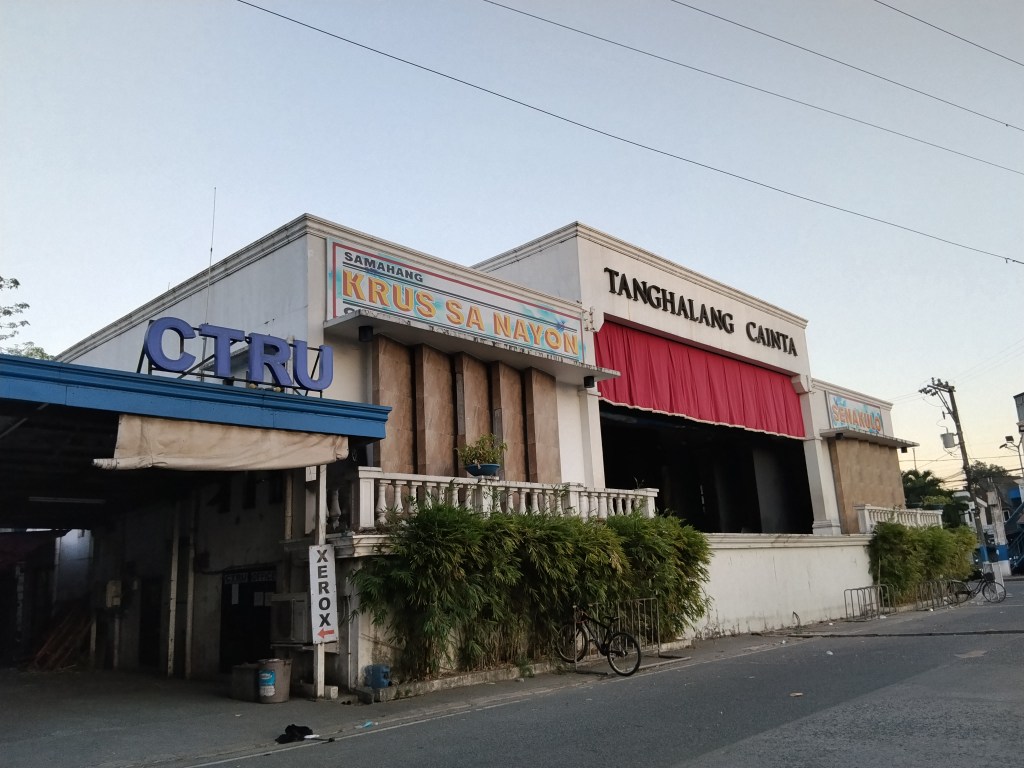
By 1904, what started as prayer transformed into something more immersive: a theatrical retelling of the Passion of Christ—Cainta’s Senakulo.
Scripture Meets Stage
For decades, the performance followed the poetic rhythm of the Pasyon and texts like Martir sa Golgota. But like any living tradition, Cainta’s Senakulo evolved with time.
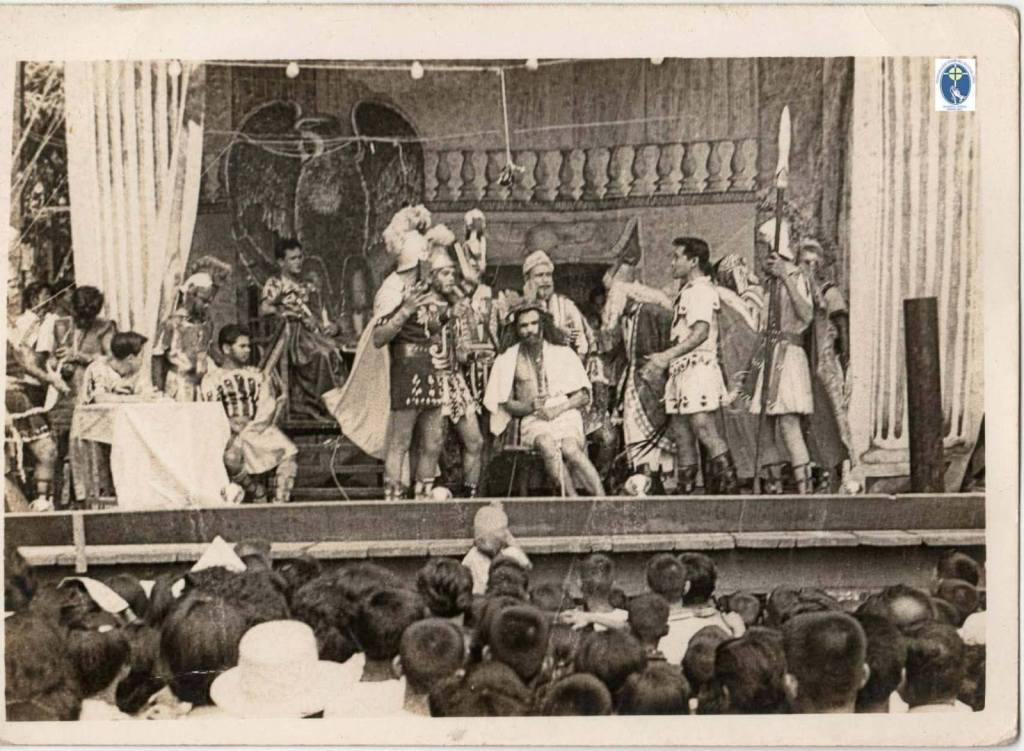
In 1978, the production expanded its narrative scope—retelling not just the Pasyon, but the story of humanity itself, beginning with Adam and Eve. It became longer, richer, and more ambitious.
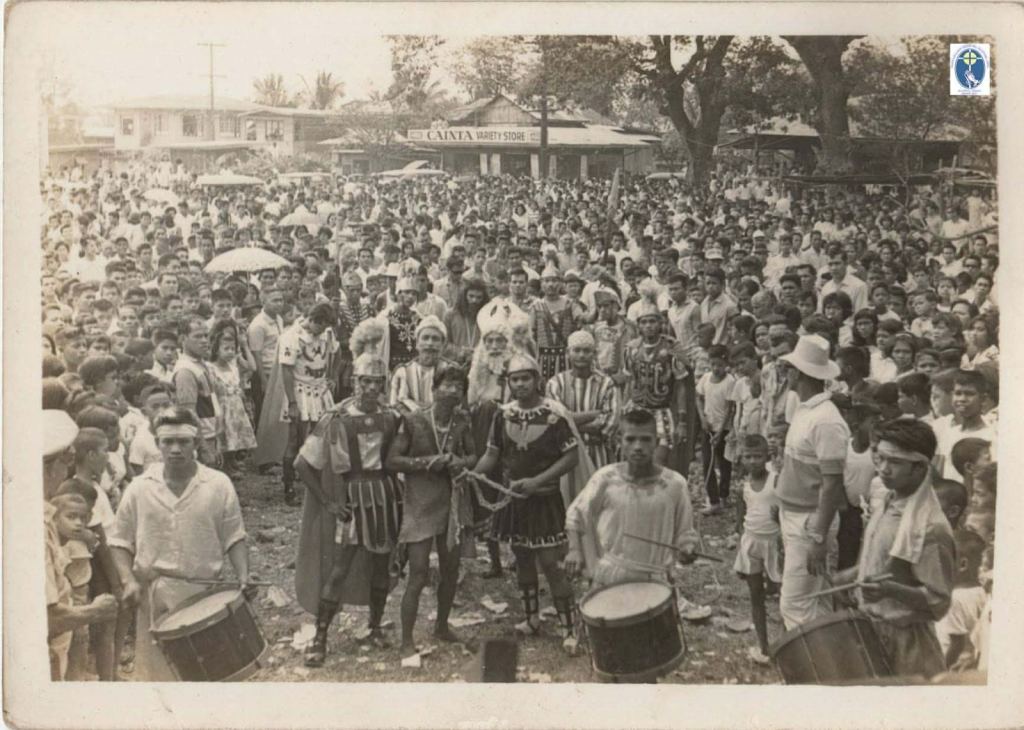
By the 1990s, the group made a bold shift:
- They moved away from dictated scripts to memorized, open dialogue.
- Actors began attending church seminars to deepen their understanding of scripture.
- Performances became more emotionally grounded, not just recited—but lived.
This wasn’t just theater anymore. The actors are not only reciting their lines—they understood its message deeply. It was faith embodied through performance.
Production Powered by Devotion
Cainta’s Senakulo isn’t just a production. It’s a relationship. The main organization that keeps the tradition going is Krus sa Nayon, Inc. (KSNI) currently headed by Jordan Cruz Pingol.
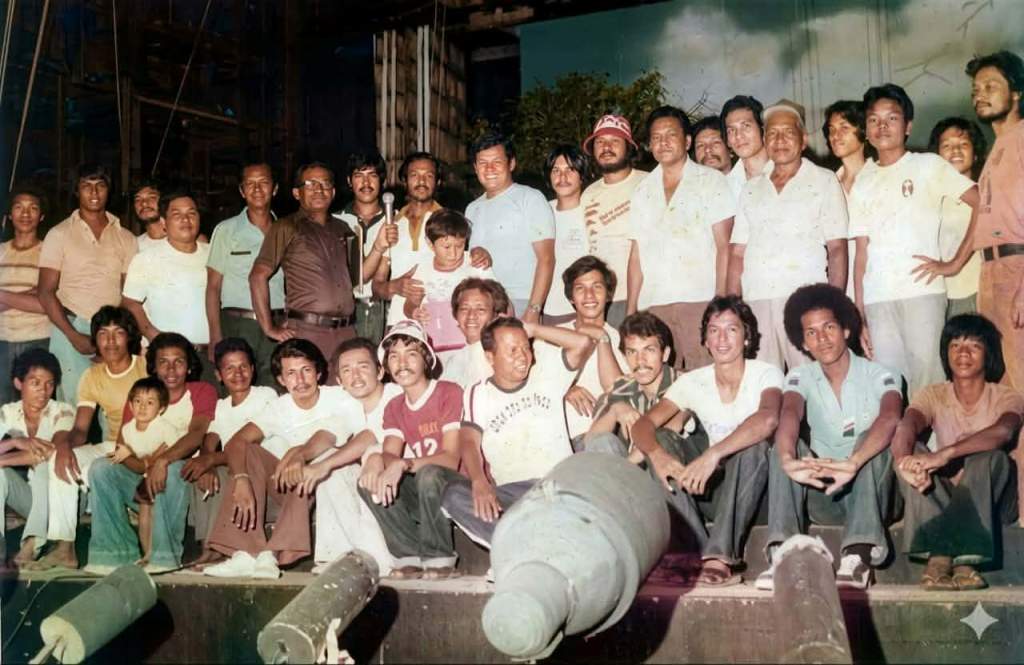
Today, nearly 300 people carry this tradition on their shoulders—over 100 stepping unto the stage, some as actors, while the rest work quietly behind the scenes. Many of them are third-generation members, inheriting not just roles, but responsibility.
Despite production costs reaching up to ₱100,000, no one is paid but they keep participating. Not because the work is easy—but because it means something.
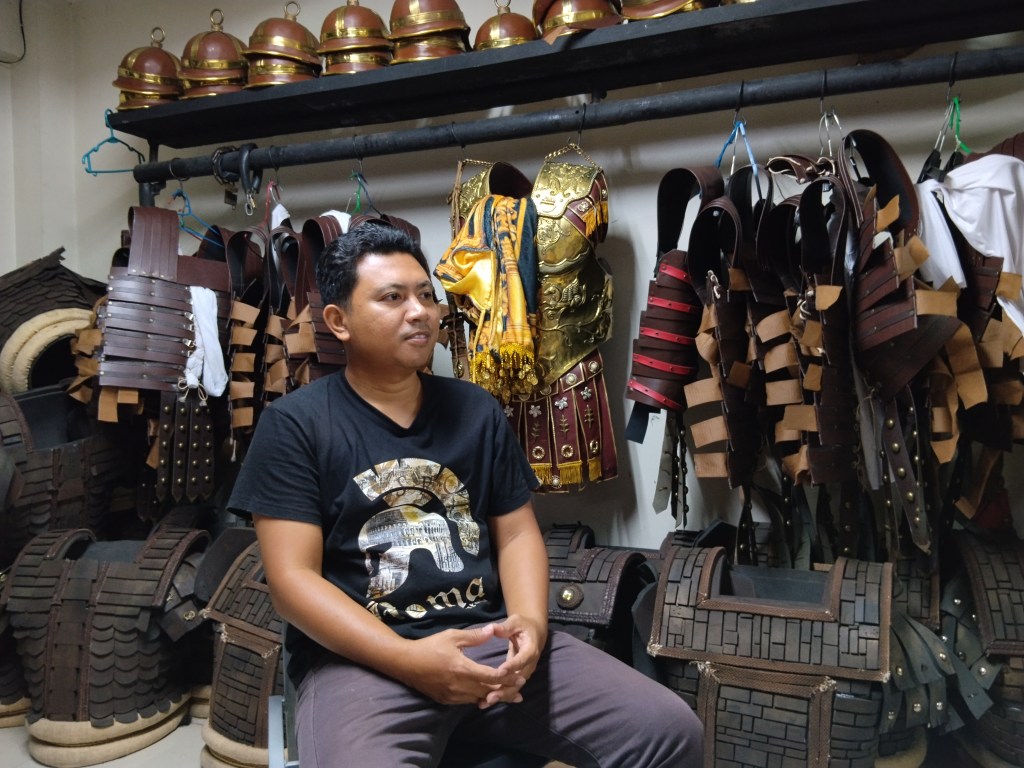
Costumes are sewn, props are built, and stages are raised through a kind of generosity that feels almost instinctive. The local government lends support. Vendors contribute through banseto, offering part of their earnings. Families cook meals—pakain—to keep everyone going through long nights of rehearsal.
This is not just a yearly event—it’s a family legacy passed down through decades.
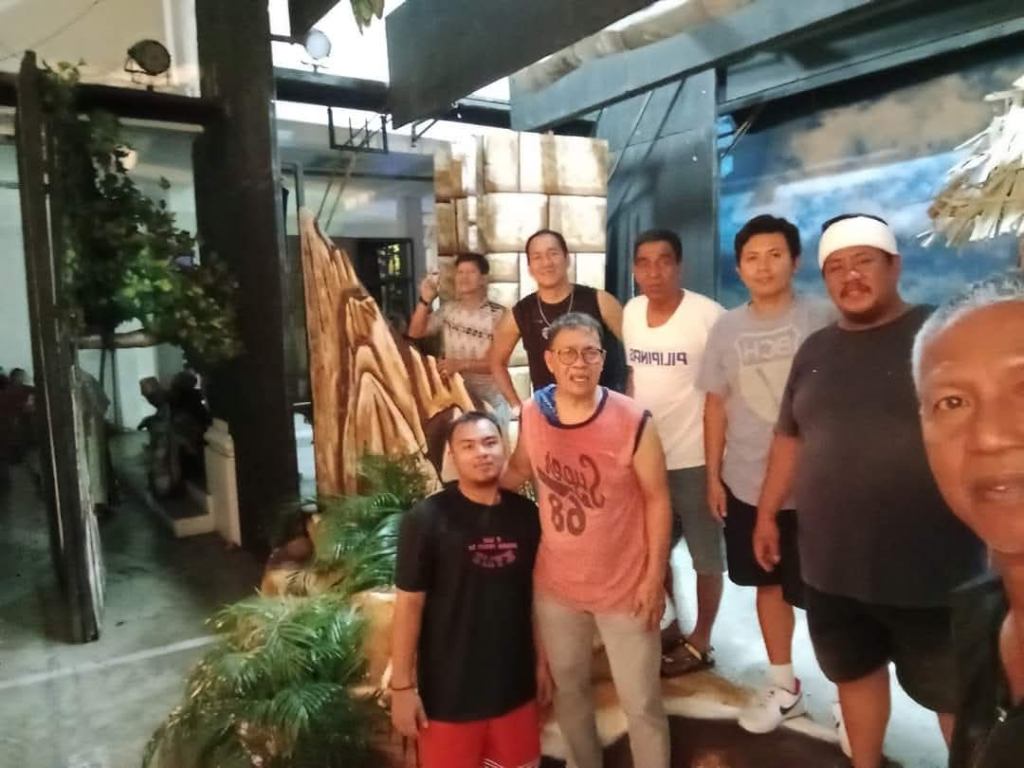
Even those who have left Cainta don’t really leave. From overseas, former members send what they can, a quiet way of saying: “I remember. I’m still part of this.“
And in return, the Senakulo gives back.
Not just during Holy Week, but throughout the year—through medical missions, visits to the elderly, and small acts of service that ripple through the community.
It’s not just a tradition sustained by people. It’s a tradition that sustains them right back.
It’s a powerful cycle: the community sustains the Senakulo, and the Senakulo sustains the community’s identity.
Discipline Behind the Devotion
Preparation begins as early as January. Every night, actors rehearse—sometimes repeating a single scene three to four times until it reaches perfection.
Casting is intentional, especially for the role of Jesus, often chosen based on a distinct “Middle Eastern” look. The responsibility is immense.
Chosen carefully, prepared relentlessly with daily rehearsals, he carries the heaviest role—appearing in nearly every scene, stepping on and off stage with barely enough time to breathe. It’s physically demanding, emotionally draining. Also, actors who play the role of Jesus Christ cannot be more than 33 years old.
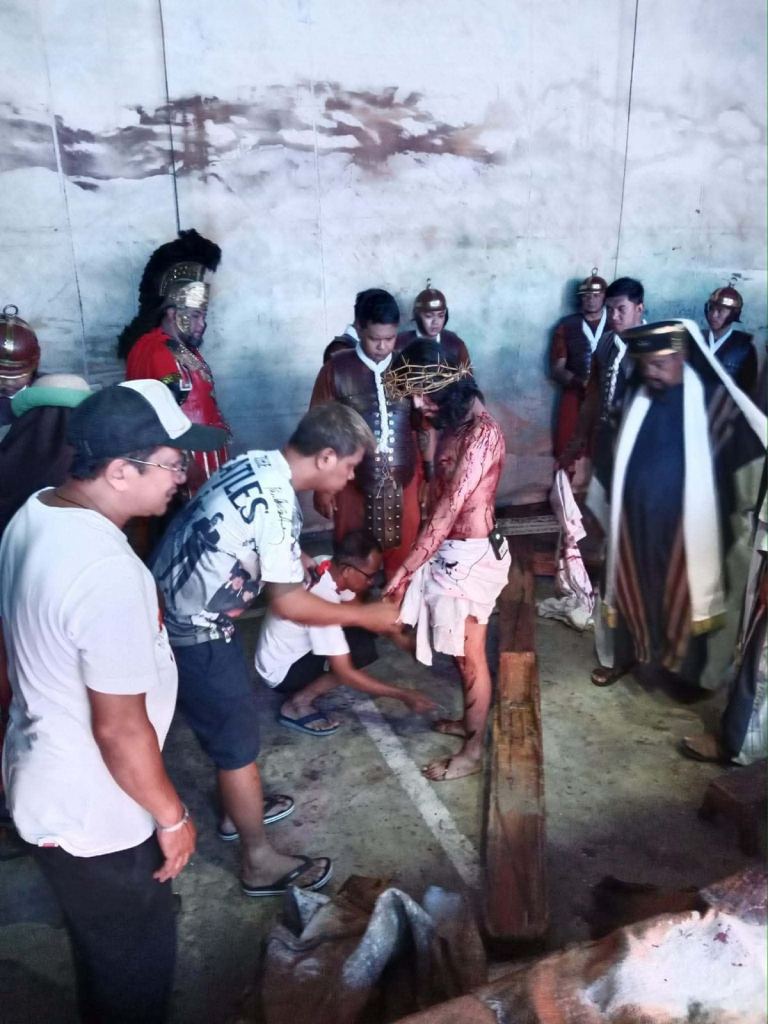
Meanwhile, the role of Judas—complex and emotionally heavy in its own way—is filled by volunteers willing to take on the challenge.
To keep the production visually engaging, organizers even look to modern films for inspiration, blending traditional storytelling with subtle cinematic influence.
The Young Find Their Place
The young ones also get to participate. During rehearsals, they come—curious, wide-eyed, lingering at the edges of something that feels bigger than them. And here’s what makes Cainta different: they’re never turned away. Instead, they’re welcomed.
At first, they watch. Then they’re given small roles. A line here. A moment there. Just enough to feel included—just enough to belong.
And that’s how it begins.
Those same children grow into teenagers who take on bigger roles, who memorize longer lines, who stay later into the night rehearsing scenes again and again. One day, without realizing it, they become the very people they once looked up to.
The tradition doesn’t need to chase the younger generation. It draws them in naturally.
Maybe it’s the storytelling. Maybe it’s the sense of purpose. Maybe it’s the quiet pride of being part of something that has outlived generations.
Or maybe it’s simply this: in a world that moves fast, the Senakulo gives them something real to hold onto.
The performance may last a week, but its impact lasts all year.
The Heart of It All: Panata
At its core, the Senakulo is driven by one powerful word: panata—a solemn vow.
Participants offer their time, energy, and devotion without compensation because they believe in something deeper:
- Prayers for healing
- Gratitude for blessings
- Hope for a lighter, better life
In every line delivered, every scene performed, there is intention. There is faith.
A Flame That Keeps Burning
Every year during Holy Week, the municipal grounds of Cainta transform into a living stage of history and devotion.
Performances run nightly from Palm Sunday to Easter Sunday, beginning at 9:00 PM and often lasting until midnight—or beyond.
And while the tradition began with a humble oil lamp, today it reaches even further. They now have it livestreamed on Facebook and archived on YouTube.
From a fragrant flame in the early 1900s to digital screens across the world, Cainta’s Senakulo continues to shine.
Not just as a performance—but as proof that heritage, when nurtured by community and faith, never fades.
Featured Images: Provided by Krus sa Nayon, Inc. (KSNI) and location snaps from our interview.

 Happy Rabbit PH
Leave a comment