
In the quiet, bustling rhythm of Cainta life, where morning church bells echo and the scent of coconut milk lingers in the air, one name continues to be passed from one generation to another—Aling Kika’s Kakanin.
To many, it’s a go-to stop for merienda. But to those who know its story, Aling Kika’s is something deeper—a living testament to Filipino grit, family devotion, and the enduring sweetness of tradition.
The Peddler’s Dream
Before there was a store, there was a journey.
Franciska “Kika,” the woman behind the name, didn’t start with a storefront or a signboard. She started with a dislot batulan—a wooden shoulder pole her husband used to carry bundles of suman across towns—and a determination shaped by necessity.
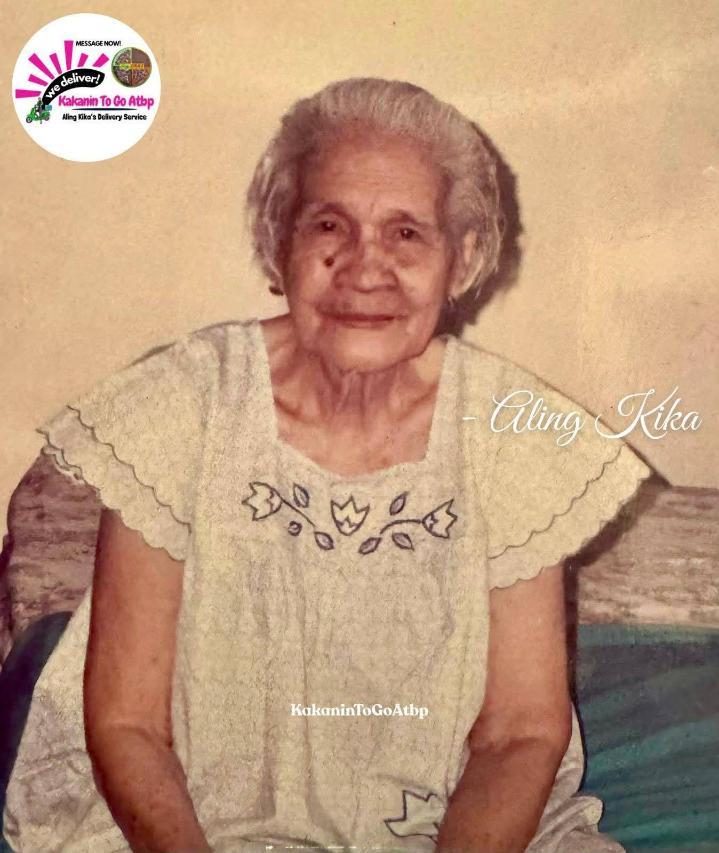

Together, they walked from market to market, selling what they could, when they could. Their home was modest but with the air of quiet understanding that every day required hard work. But what they lacked in comfort, they made up for in purpose.
Even their children became part of the story early on. After school, they would go house to house, calling out their delicacies to neighbors. It wasn’t just livelihood—it was training, tradition, and togetherness all rolled into one.
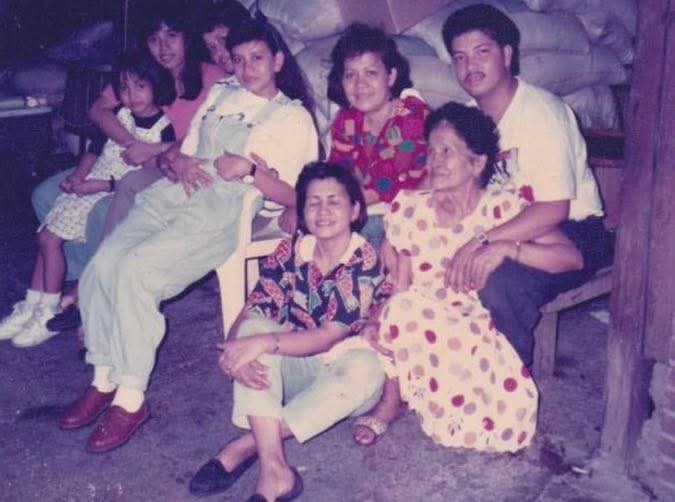
By 1976, that humble routine found roots. What was once a roaming livelihood became a permanent place in the community—and eventually, in its heart.
Heritage in Every Bite
What makes Aling Kika’s kakanin unforgettable isn’t just the taste—it’s the discipline behind it.
In a time when shortcuts are easy and profit margins often dictate quality, the family made a quiet but firm decision: never compromise.
They continue to use first-class malagkit (glutinous rice), a choice that may be more costly, but one that preserves the integrity of every dish.
There’s even a ritual to it.
When sacks of rice arrive, they don’t just take them as they are. They test them—piercing through with a sonda, a pointed metal tool—to ensure that quality runs through every grain, not just the surface. It’s a small act, but one that speaks volumes about their commitment.
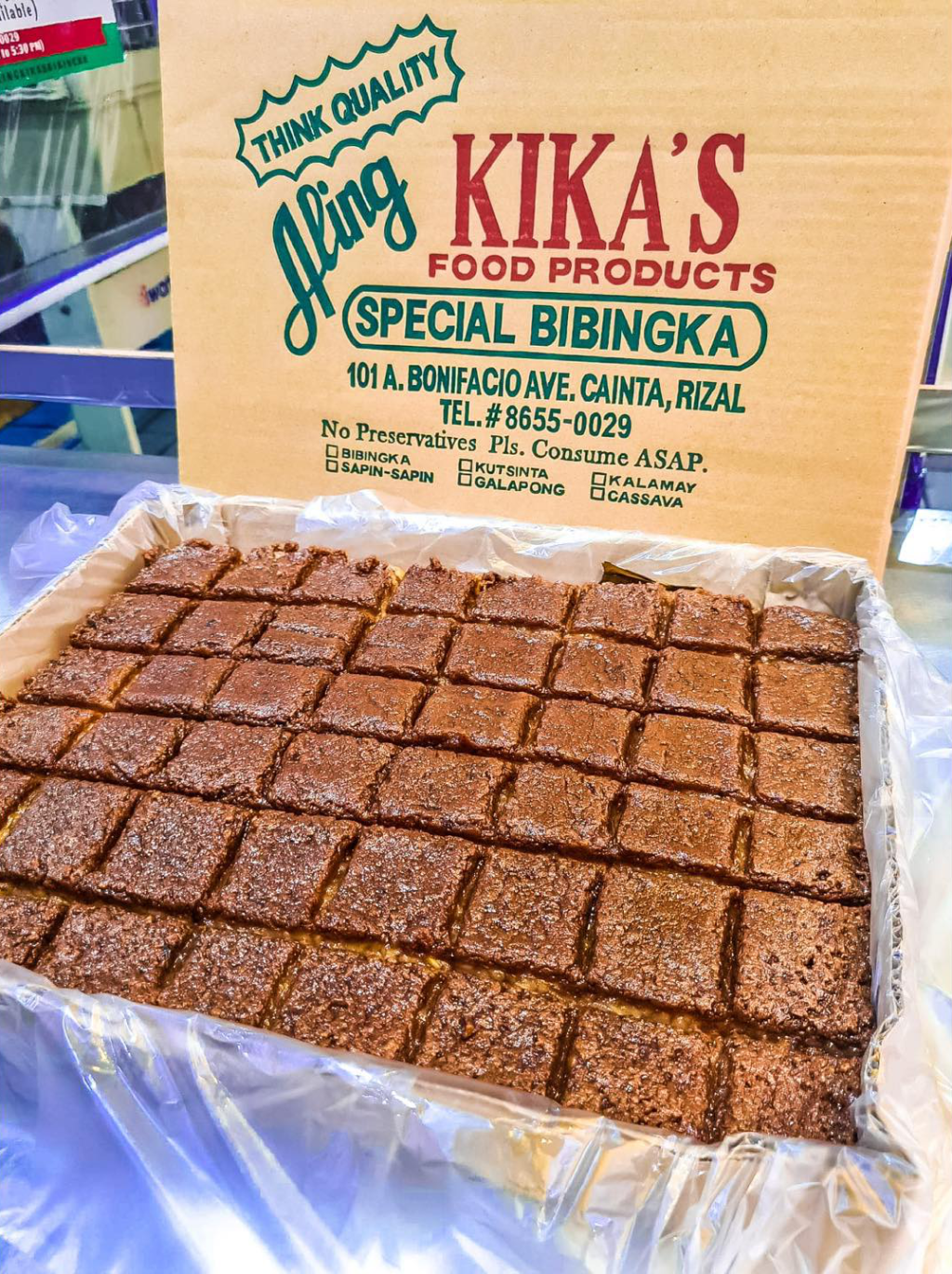
And then, there’s their crown jewel—the Bibingkang Malagkit.
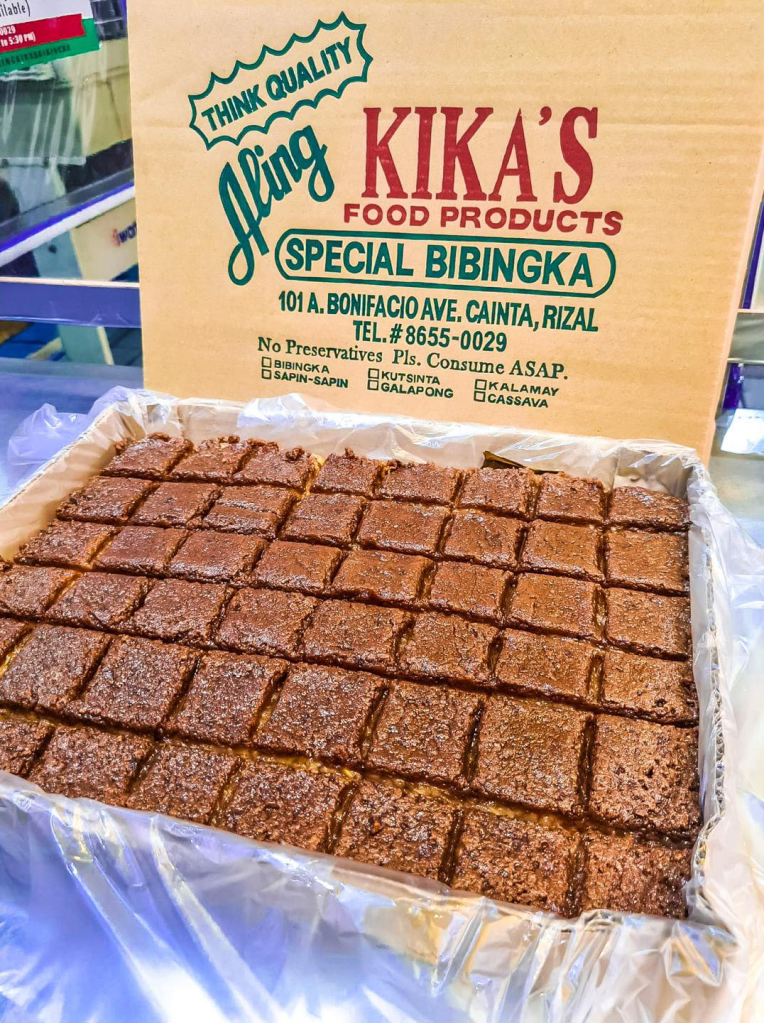
Cooked in a traditional pugon or clay oven, this delicacy carries a flavor that modern equipment simply cannot replicate. The heat wraps around the rice differently, infusing it with a depth that lingers long after the last bite. It’s rich, smoky, coconut-laced—and unmistakably theirs.
More Than Just a Snack
In the Philippines, kakanin is never just food. It is memory, ritual, and celebration.
At Aling Kika’s, that truth plays out every single day.
Yes, customers drop by for an afternoon snack. But come December, the pace changes. Orders multiply. Lines grow longer. The air becomes festive.
Their kakanin has become a staple at Christmas tables, New Year feasts, and carefully wrapped gifts for loved ones. People travel from places like Makati and Manila just to bring a taste of Antipolo back home.
Even balikbayans—Filipinos returning from abroad—make it a point to stop by. Because sometimes, home isn’t a place. Sometimes, it’s a flavor wrapped in banana leaves.
A Labor of Love
Behind every tray of kakanin is a story of sacrifice.
The children of Aling Kika remember nights when their mother chose work over sleep, ensuring that everything would be ready by morning. It wasn’t easy—but it was done with quiet strength and unwavering faith.
She wasn’t just hardworking. She was kind. Prayerful. Grounded.
And today, continuing the business isn’t just about keeping it alive—it’s about honoring her.
For the next generation, every dish is personal. The Bibingkang Malagkit, in particular, carries not just flavor, but memory. It’s the taste of childhood, of shared meals, of a mother’s love folded into coconut and rice.
Holding On in a Changing World
Time moves forward—and with it, challenges.
The cost of essential ingredients like gata (coconut milk) and gatong (firewood) continues to rise. Scaling production to meet demand means balancing efficiency with authenticity.
They’ve adapted where they must—working with resellers, expanding their reach—but the heart of the process remains untouched.
They’ll even admit it: small batches taste better. There’s something about focused attention, about cooking slowly and intentionally, that makes a difference.
Still, they’ve found a way to scale without losing soul. Because for them, success isn’t just about growth—it’s about staying true.
A Community’s Sweet Memory
Over the years, Aling Kika’s has become more than a store—it has become a landmark of shared experience.
Customers aren’t just customers. They are families who have been coming back for decades. Parents who once bought kakanin as children now bring their own kids.
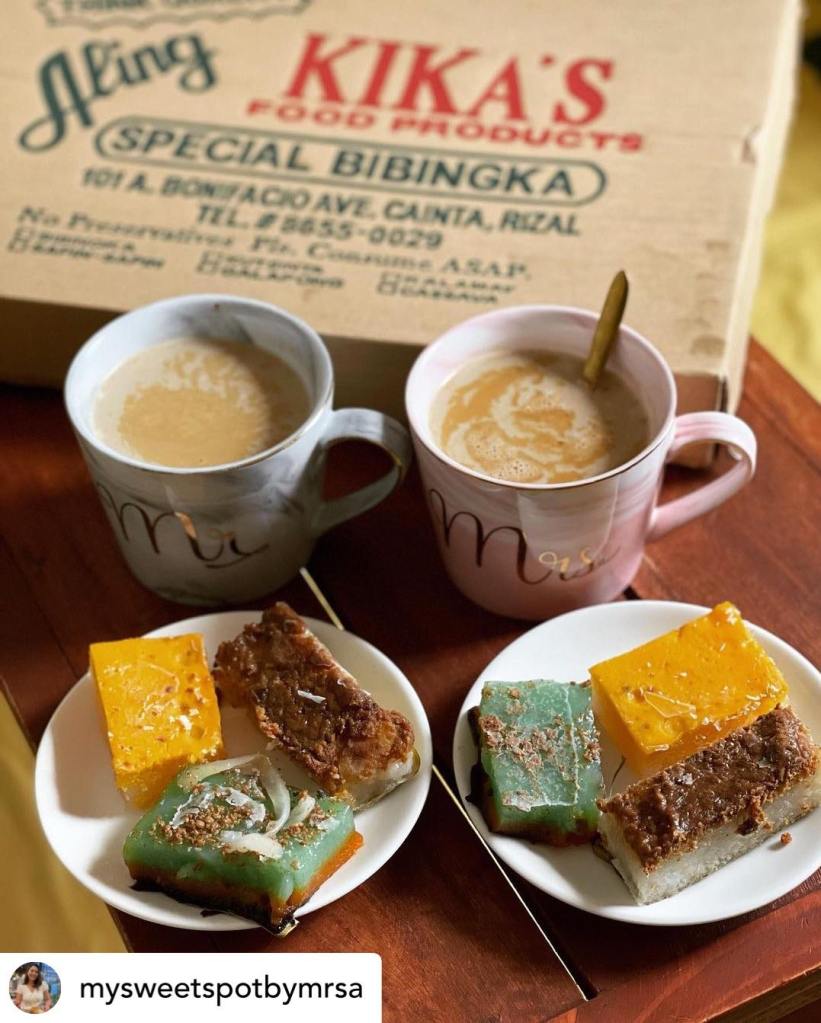
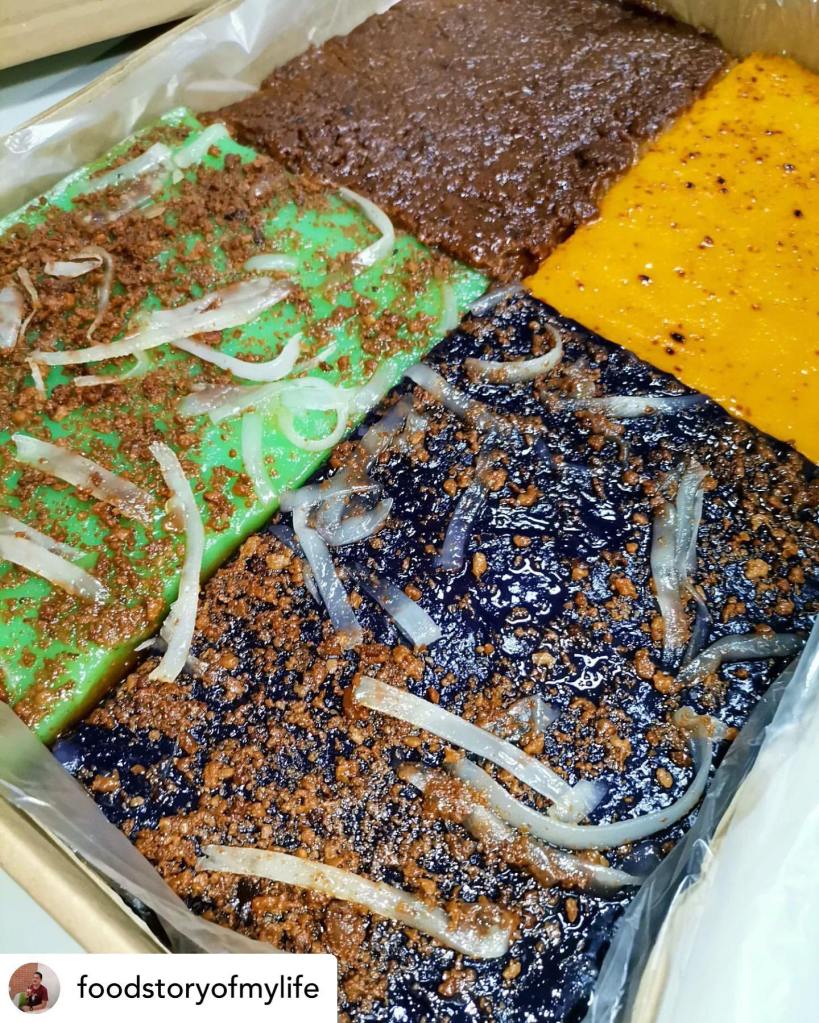
And in a world filled with global fast food giants, something remarkable still happens:
Children choose kakanin.
For birthdays. For gatherings. For simple afternoons.
Because tradition, when nurtured well, doesn’t fade. It evolves—quietly, naturally—into the next generation.
Passing the Torch
Today, the story continues.
Siblings, relatives, and now even grandchildren take part in the business. Each one learning not just recipes, but values—discipline, humility, gratitude.
It remains a family effort in the truest sense.
And their dream?
Simple, yet profound.
To keep the journey going. To let the business “travel” far and wide—not just in distance, but in impact. To ensure that every bite still carries the same care, the same faith, the same story.
Because in the end, Aling Kika’s Kakanin isn’t just about preserving recipes. It’s about preserving identity.
A reminder that in every grain of rice, every swirl of coconut milk, and every leaf-wrapped delicacy, there lives a piece of who we are as Filipinos.
And as long as stories like hers are told—and tasted—that legacy will never fade.
Featured Image: From Aling Kika’s Facebook page (including the images from their customers).

 Happy Rabbit PH
Leave a comment