
There are houses you visit. And there are houses that feel like they remember you back.
Casa de Segunda in Lipa City belongs to the second kind.
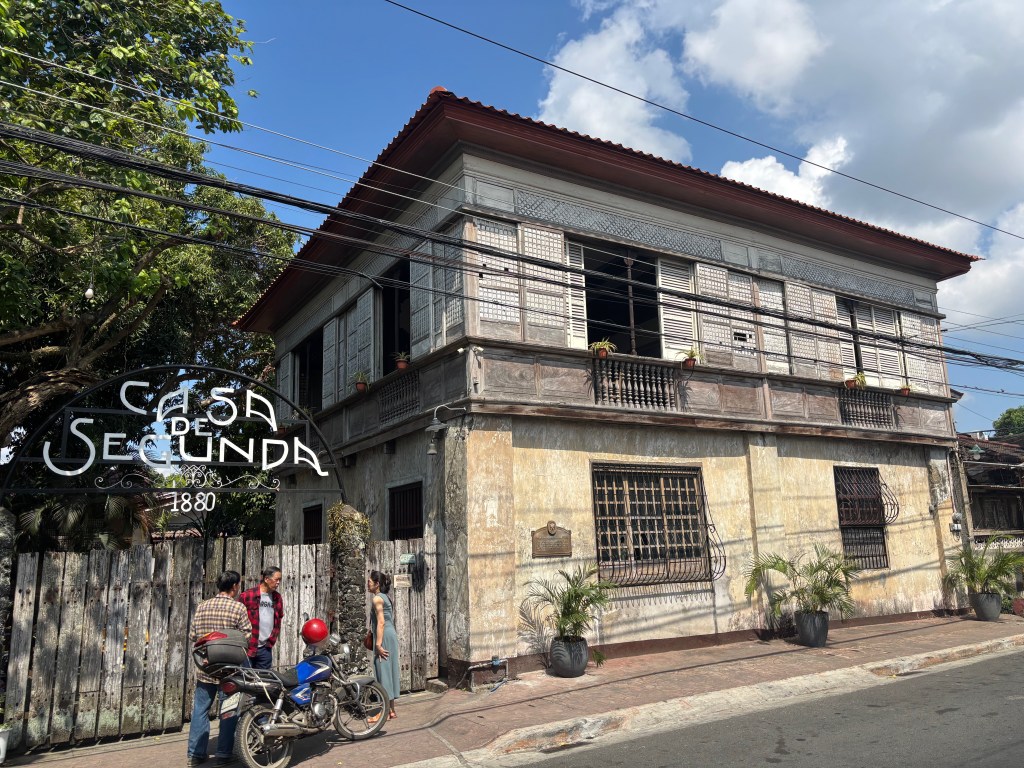
It does not demand attention. It simply waits—wooden floors slightly creaking, capiz windows catching light the way they always have, and old trees standing like they’ve been quietly observing everything that came and went.
But to understand this house, you have to begin not with its walls—but with the world that built it.
When Coffee Made a City Shine
There was a time when Lipa was not just a provincial city—it was a name spoken with quiet admiration.
In the 1800s, the rise of coffee transformed Batangas into one of the most prosperous agricultural regions in the Philippines. Lipa, in particular, became closely associated with this boom, as families built fortunes around what was once called “golden beans.”
This was the era when ancestral homes rose in elegance and scale. Houses were not just shelters—they were statements of stability, education, and social standing.
Some travelers and writers of the time described Lipa as unusually refined for a provincial town—often romanticized in later retellings as “Paris-like” in charm. While that comparison is more poetic than literal, what is true is this: Lipa once stood among the most affluent and culturally active towns in the colony.
And Casa de Segunda was born from that world.
The House of the Katigbaks
Casa de Segunda belonged to the Katigbak family, part of Lipa’s educated and influential class.
Architecturally, it is a classic example of the bahay na bato—a Filipino adaptation of colonial architecture that never truly abandoned native wisdom.
Stone on the ground floor. Wood above. Air in between.
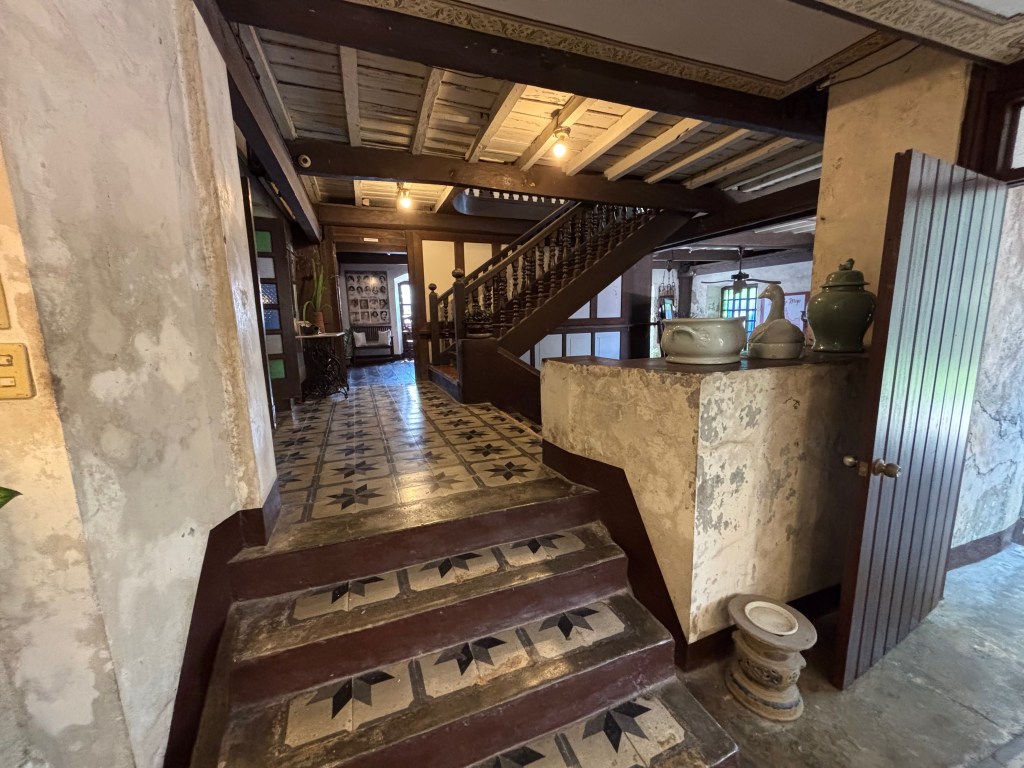
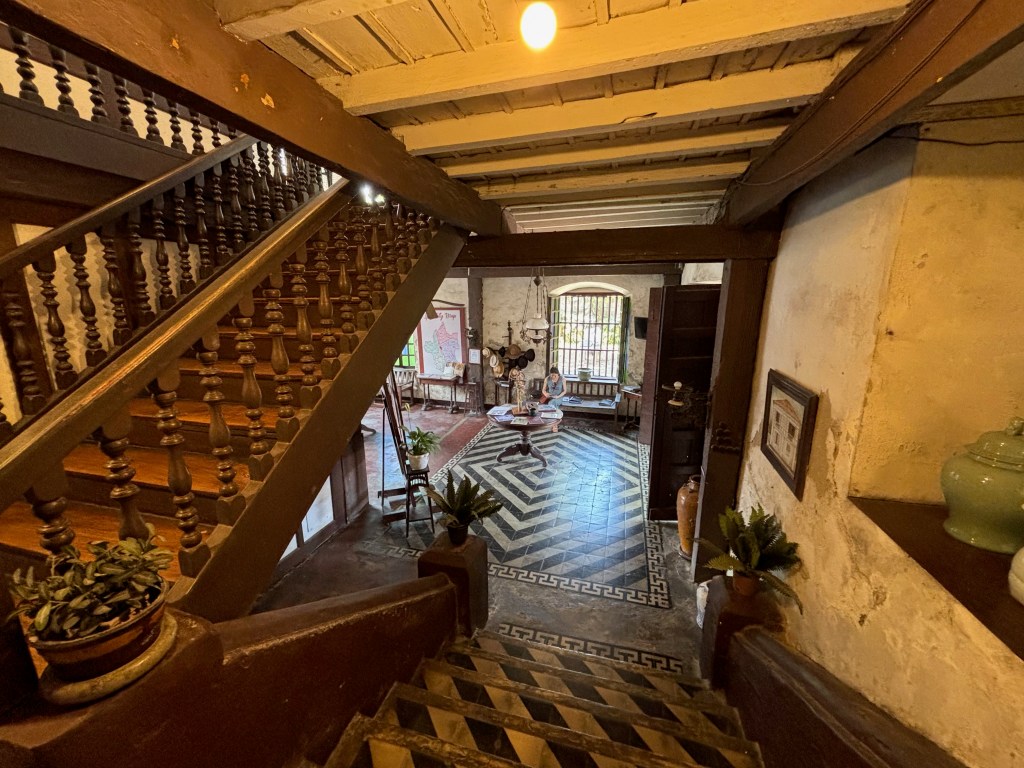
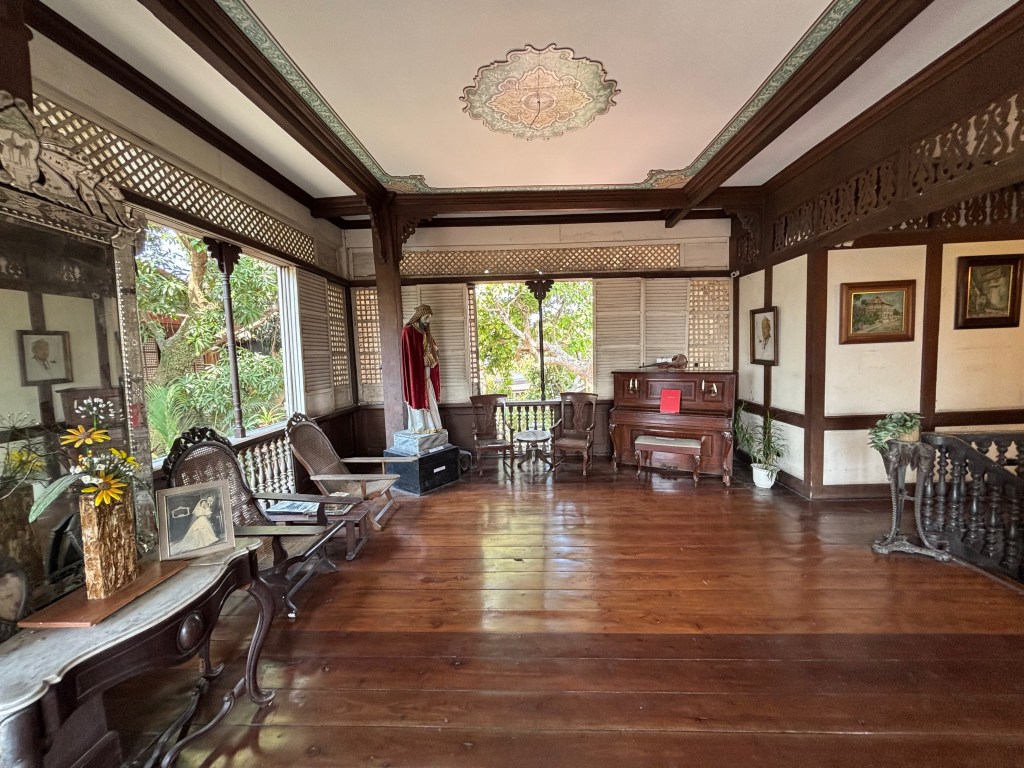
Every element had a purpose:
- Capiz windows that softened the harsh tropical light
- Ventanillas that allowed air to flow freely under the windows
- High ceilings that gave heat a place to rise and disappear
- Hardwood floors made from durable native timber like narra, molave, and balayong
Even its construction speaks a language of restraint and intelligence—built with traditional joinery techniques where wooden pegs and precision replaced nails. Not fragile. Not decorative. Just deeply intentional.
A house made to live with the climate, not against it.
A Quiet Footnote in Rizal’s Early Life
Within these walls is also a story often told too simply.
It is here that history lightly brushes against José Rizal and Segunda Katigbak.
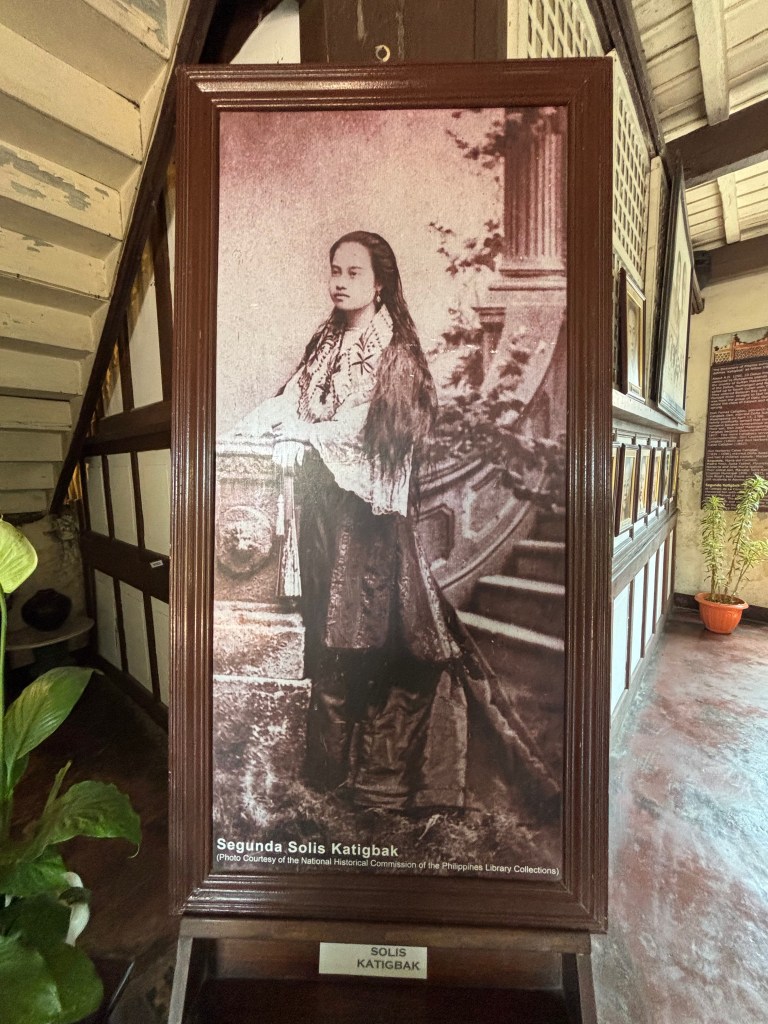
Segunda was not a tragic figure of lost youth, as popular retellings sometimes suggest. She was a young woman from a prominent family in Lipa, already engaged at the time she met Rizal—eventually marrying Manuel Luz Sr., with whom she had nine children and lived a full life, passing away in 1943.
What connects her to Rizal is not tragedy, but something more human: a brief, youthful admiration during a time when social circles were carefully shaped by family, education, and expectation.
A moment that lived quietly, and then moved on with life. And perhaps that is what makes it feel real.
Not a grand romance—but a passing emotion that stayed long enough to be remembered.
When War Nearly Erased the City
Time, however, is not always kind to beauty.
Before the Second World War, Lipa was still a town of ancestral homes, shaded roads, and strong local identity. But during the Japanese occupation and the subsequent liberation campaign, the city became part of a larger strategic battleground.
In the events surrounding Battle of Lipa, much of the old city was heavily damaged or destroyed.
What survived was not the rule—it was the exception. And Casa de Segunda became one of those rare surviving fragments. Not because it was untouched. But because it endured.
A House That Almost Didn’t Make It Here
Today, standing inside Casa de Segunda, it is easy to forget how fragile its survival really is.
But maintaining a heritage house like this is not romantic—it is difficult, expensive, and constant.
That is why it now opens its doors to the public for a modest entrance fee of around ₱100. It is not just access—it is support. A small exchange that helps keep the structure standing.
Even then, survival has not been smooth.
After the eruption of Taal Volcano eruption (2020), followed by the disruption of the COVID-19 pandemic, restoration work slowed significantly. The roof eventually had to be replaced entirely, with support from the government stepping in to fund critical repairs.
It was not ideal. But it was necessary.
Still, preservation is an ongoing concern. Heritage caretakers continue to hope for stronger tourism support and possible relief from real property taxes, which can become heavy for privately maintained ancestral homes.
Because keeping history alive is not just about emotion—it is also about resources.
A House That Had to Learn to Adapt
Like many heritage spaces today, Casa de Segunda has quietly evolved to survive.
It is no longer only a preserved home. It is also a living space that participates in modern life:
- prenup shoots that turn its halls into backdrops of new beginnings
- film and television productions that bring cameras into old rooms
- occasional rentals for cultural and private events
These are not departures from heritage. They are ways of keeping it relevant.
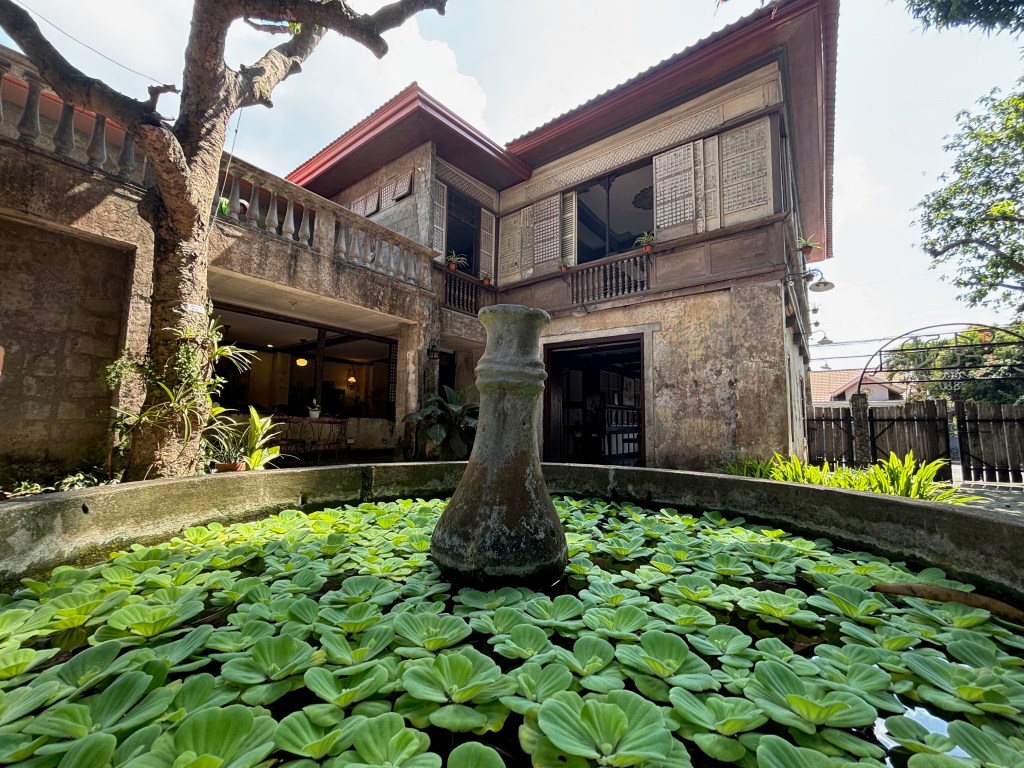
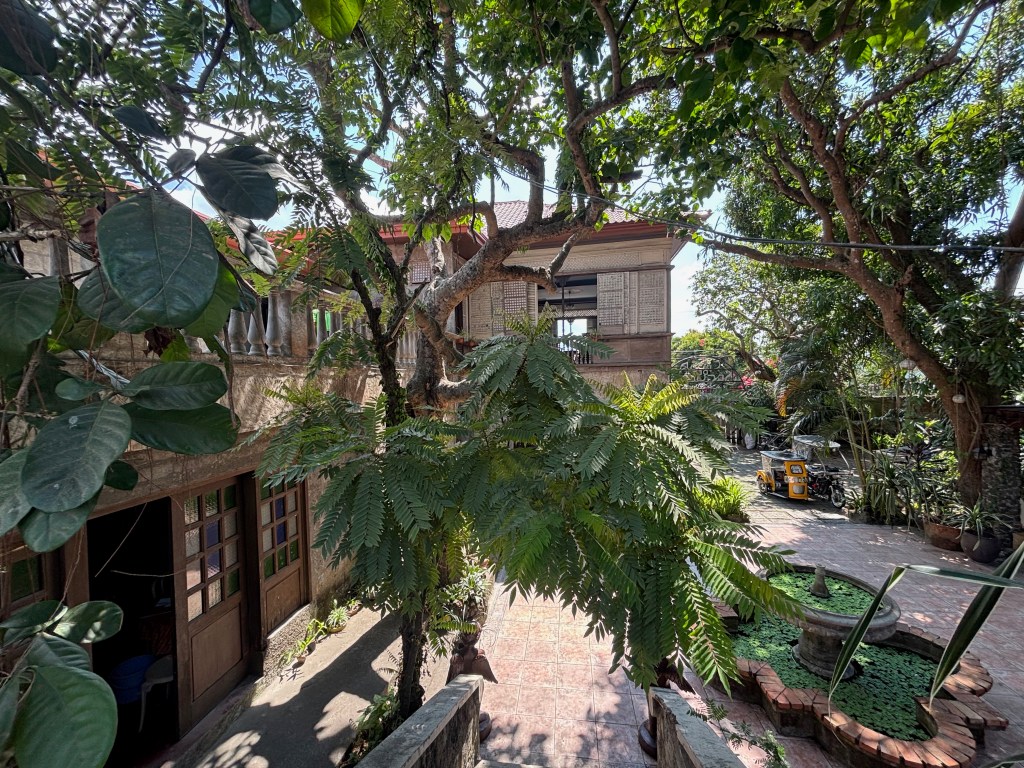
There is even a growing idea of transforming part of the house into a small café serving kapeng barako—bringing Lipa’s coffee legacy back into the very walls that were once shaped by it.
A circle quietly closing itself.
What the House Really Teaches Us
Casa de Segunda is not a perfect relic.
Its roof is new. Its survival has been patched by necessity. Its walls have witnessed loss, adaptation, and change.
But maybe that is exactly why it matters. Because it does not represent an untouched past. It represents a surviving one.
It carries within it:
- the wealth of a coffee-powered city
- the quiet emotional echoes of young lives crossing paths
- the scars of war that reshaped an entire town and
- the ongoing effort of people trying to keep memory alive
And when you stand there long enough, something subtle happens. The house stops feeling like an exhibit. And starts feeling like a memory that refuses to disappear.
Final Reflection
Not all heritage survives in grand monuments.
Some of it survives in wood that still holds its shape. In windows that still catch the light. In houses that still welcome strangers, even after everything they have been through.
Casa de Segunda is one of those places. Not because it is untouched. But because it is still here.
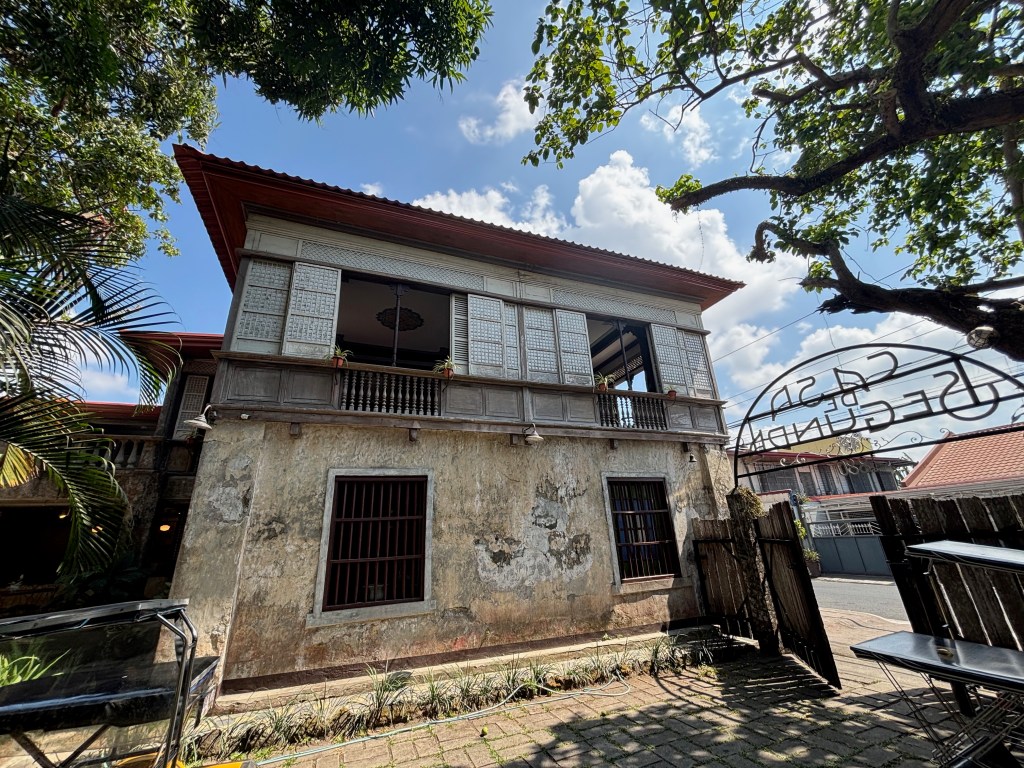
And in a country where so much of history has been lost, sometimes “still here” is already a form of victory.
But survival is never passive—it depends on people choosing to care, to visit, to listen, and to keep these stories alive beyond the walls that hold them.
Visit Casa de Segunda
If you want to experience this piece of Lipa’s living history yourself:
- Location: Casa de Segunda, Katigbak Heritage District, Lipa City, Batangas
- Opening Hours: Typically open daily from morning to late afternoon (hours may vary depending on private events or maintenance schedules)
- Entrance Fee: Around ₱100 per person (used for preservation and upkeep)
It is a quiet stop—but one that stays with you longer than expected.
Before You Go…
If you could step inside this house for just one moment in history—would you choose Lipa at its coffee peak, Rizal’s young years, or the time just before the war changed everything?
Or maybe something simpler…
Just sitting on the wooden floors, listening to silence that has lasted over a century.
Share your thoughts in the comments—what part of Casa de Segunda speaks to you the most?
And if stories like this matter to you, consider sharing this article or leaving a comment. Heritage survives not only through preservation—but through people who continue to talk about it.
Because once we stop telling these stories… they don’t just fade.
They disappear.


 Happy Rabbit PH
Leave a comment