
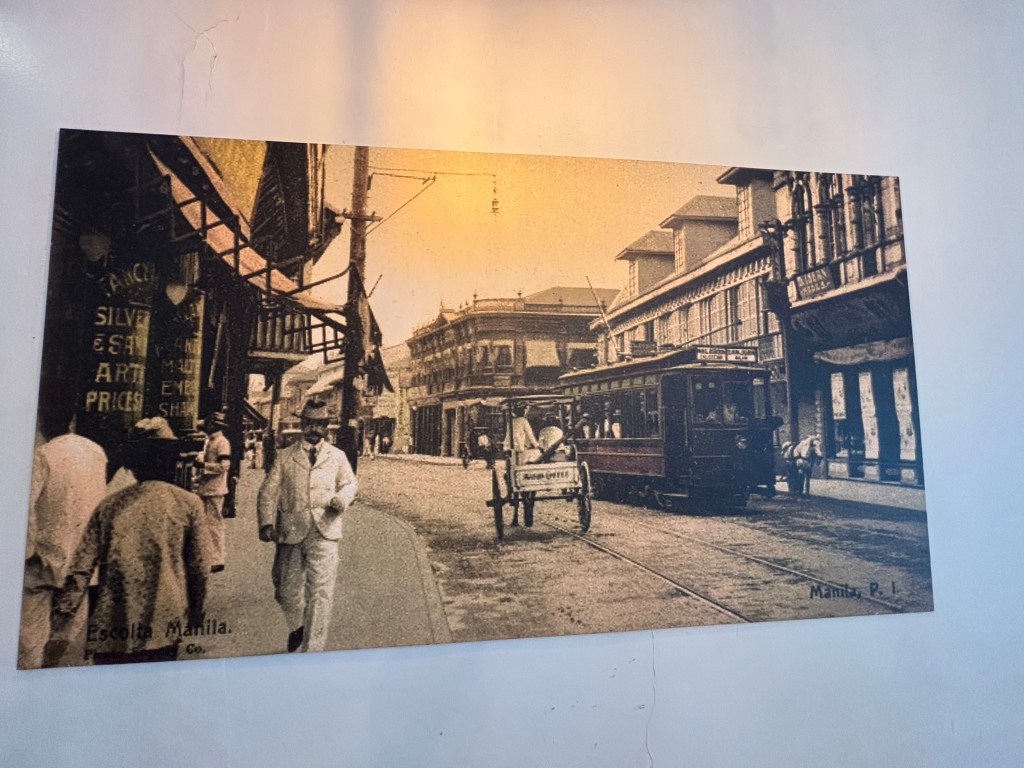
There was a time when the smell of coffee meant wealth.
Not the modern kind of wealth measured in skyscrapers or luxury malls—but the old-world kind. Horse-drawn carriages rolling through wide streets. Grand ancestral homes rising from the ground. Families dressed in imported fabrics. Chandeliers glowing inside mansions built from coffee money.
And at the center of it all was a small but powerful bean: Kapeng Barako.
Long before trendy cafés and caramel lattes, Lipa, Batangas was already living through its own coffee revolution.
The Day the World Needed Coffee
History has a strange way of changing fortunes overnight.
In the late 1800s, coffee plantations across major producing countries were struck by devastating pests and diseases. Entire regions that once supplied the world suddenly struggled to survive. Global coffee production dropped, and demand exploded.
Then came an unlikely hero: Batangas.
The fertile soil and cool climate of Lipa became perfect for coffee cultivation, especially for liberica coffee—the variety Filipinos would later proudly call Kapeng Barako.
And suddenly, the world came knocking.
Coffee from Lipa began reaching international markets. Money poured into the city. Families who once lived simple provincial lives found themselves at the center of a booming global trade.
Imagine that for a moment: A Philippine city becoming wealthy because the world couldn’t function without coffee.
That’s how powerful Kapeng Barako became.
When Coffee Turned Into Power
The wealth didn’t stay hidden in bank accounts. It transformed Lipa itself.
Grand homes began rising one after another, many of which still stand today like proud ghosts of a glamorous past. Places like Casa de Segunda weren’t just houses—they were symbols of a city experiencing unimaginable prosperity.
And then there’s the massive Basilica of San Sebastian.
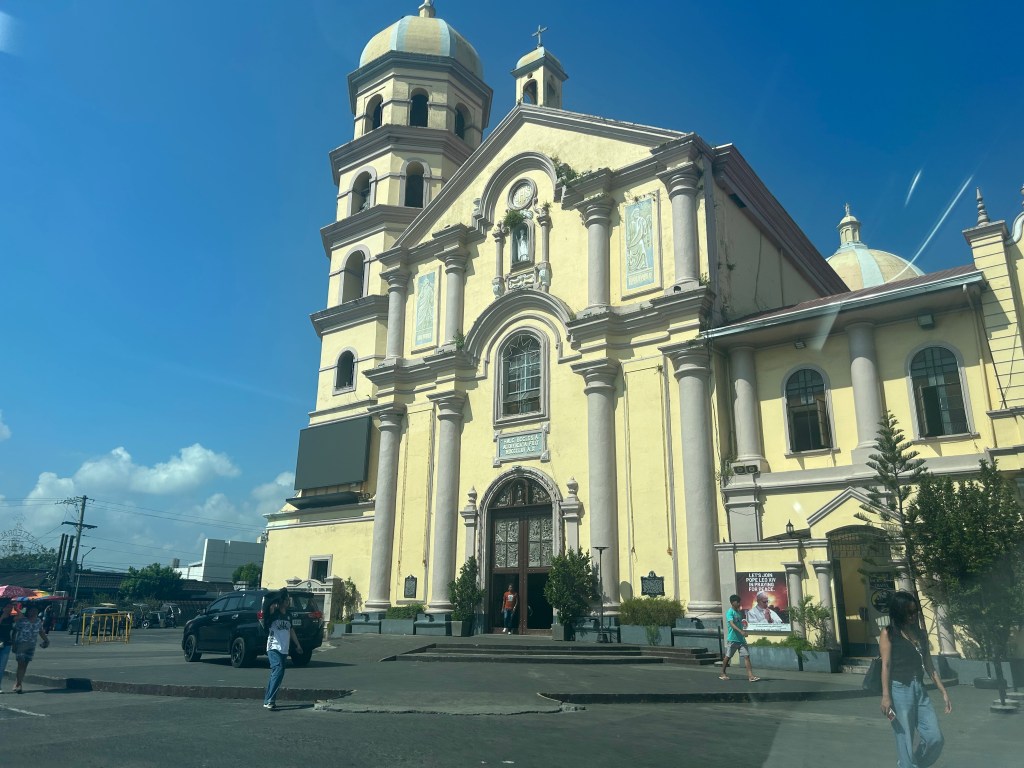
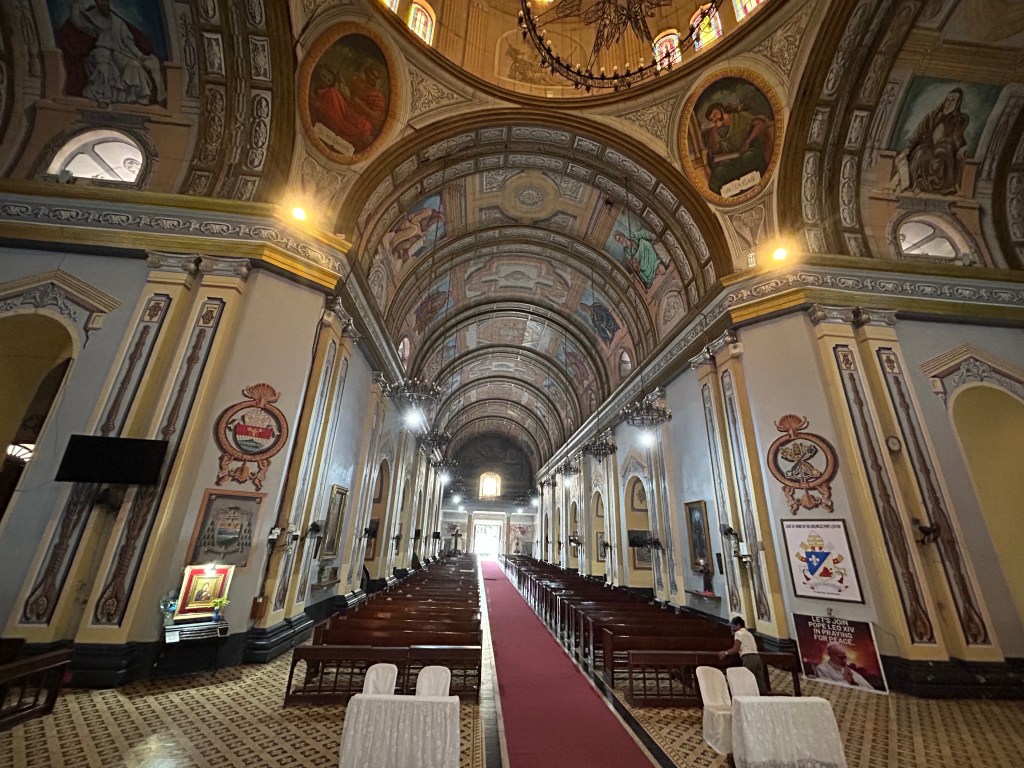
Standing before it today feels almost surreal. Its scale feels more like something you’d expect in a major European city than in a quiet Batangas province.
But that’s exactly the point. Lipa wasn’t ordinary during its coffee era.
Kapeng Barako helped finance churches, homes, businesses, and a way of life built on confidence and ambition. Coffee wasn’t just an agricultural product anymore—it became social status. Influence. Identity.
For many Batangueños, coffee became deeply tied to pride itself. Strong coffee for strong people.
When Coffee Made Lipa Feel Untouchable
To truly understand how wealthy Lipa became during the coffee boom, you have to imagine a version of Batangas that almost feels impossible today.
This wasn’t just a prosperous town. It was extravagance on a level that rivaled Manila’s elite.
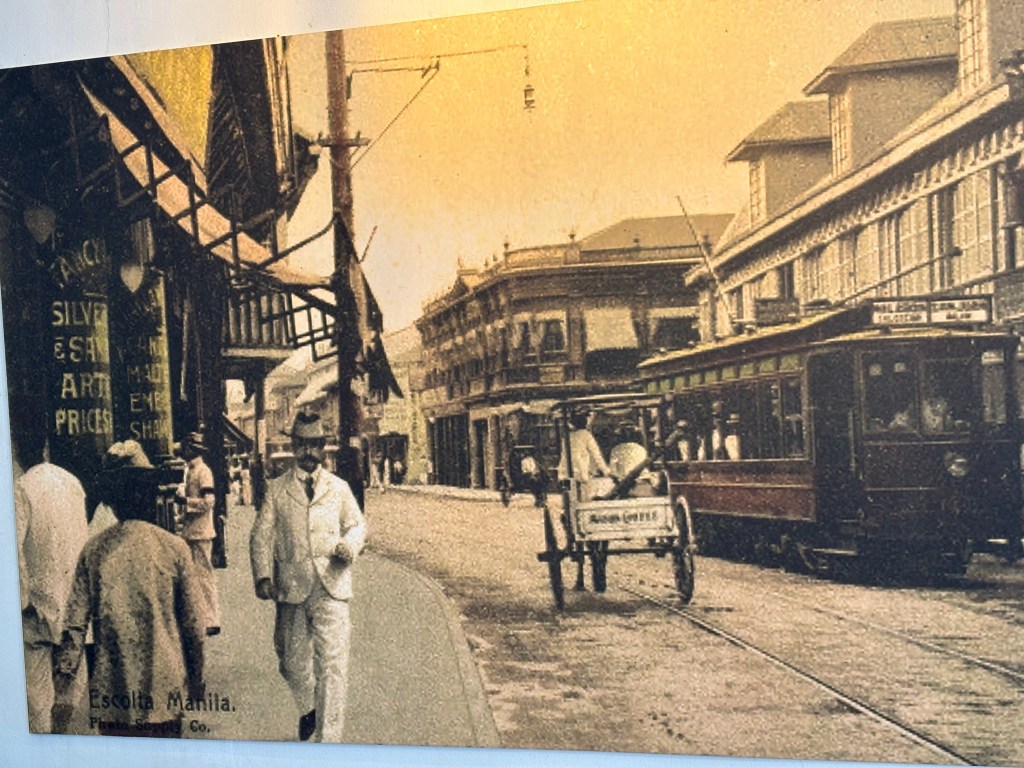
Historian Martin Tinio Jr. vividly described Lipa’s lavish coffee era in his article “Lipa’s Golden Age” from the book Batangas Forged in Fire published by Ayala Foundation Inc.:
“Stately mansions with elaborately coffered, carved and gilded ceilings lined the streets of the town. Lipenos drove around in magnificent carriages decorated with plaques of beaten silver and drawn by superb horses with silver harnesses. Diamonds from the newly discovered mines of South Africa were in such demand that Estrella Del Norte, the leading French jewelry store in Manila, opened a branch in Lipa. One’s diamonds, their size and number, were favorite topics of conversation. Extravagant ostentation and one-upmanship were the practices of the day. Even the most ordinary objects like writing pens, prayer books and insteps of the ladies’ slippers or corchos were studded with diamonds.”
And the most unbelievable part?
Much of that wealth came from coffee. Not oil. Not mining. Not politics. Coffee.
Kapeng Barako transformed Lipa into one of the wealthiest places in the country during its peak—so wealthy that it earned comparisons to the grand cities of its time.
Suddenly, the old churches, ancestral homes, and wide streets of Lipa begin to make sense. They weren’t built merely for survival. They were built during an age of confidence—when the city genuinely believed its prosperity would last forever.
The Personality of Kapeng Barako
Even the coffee reflected the people who drank it.
Kapeng Barako is not subtle. It’s bold, earthy, intense, aromatic, and unapologetically strong. The kind of coffee that doesn’t politely introduce itself—it arrives with authority.
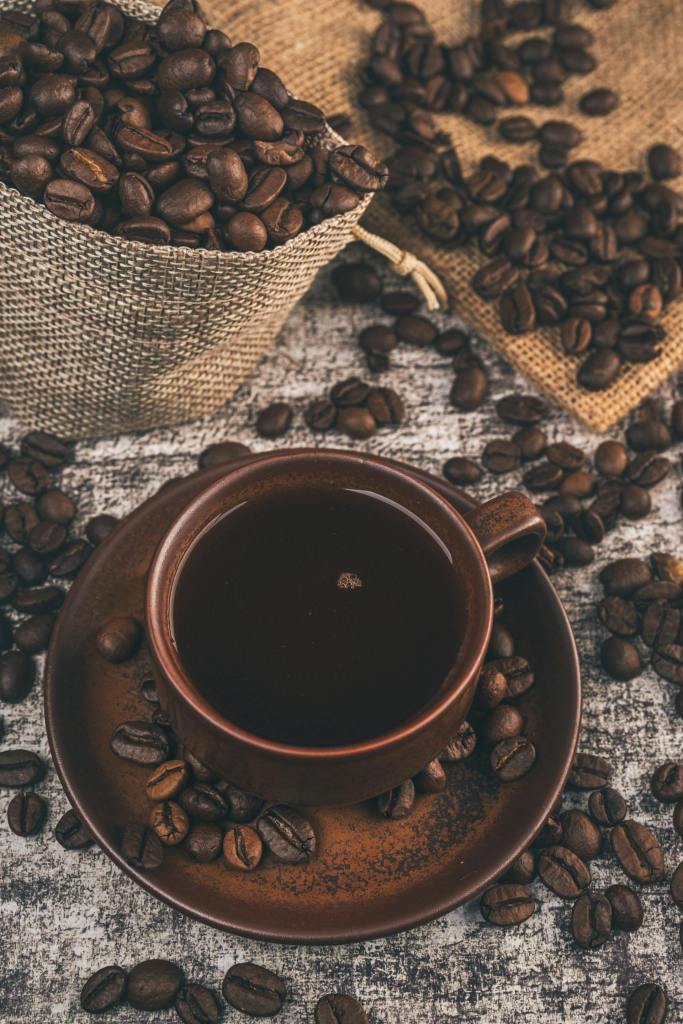
And maybe that’s why Batangueños embraced it so fiercely. Because the drink mirrored the culture: direct, resilient, fearless, and deeply rooted.
Modern coffee culture often focuses on customization—extra syrup, extra foam, extra sweetness.
Kapeng Barako never needed any of that. It simply existed as itself. And that authenticity became part of its magic.
Then Came the Collapse
But golden ages rarely last forever.
The same coffee diseases that devastated plantations abroad eventually reached the Philippines too. What once seemed unstoppable began falling apart.
Coffee farms weakened. Production dropped. Exports slowed. Families who built fortunes from coffee suddenly faced uncertainty. And slowly, painfully, Lipa’s coffee empire faded.
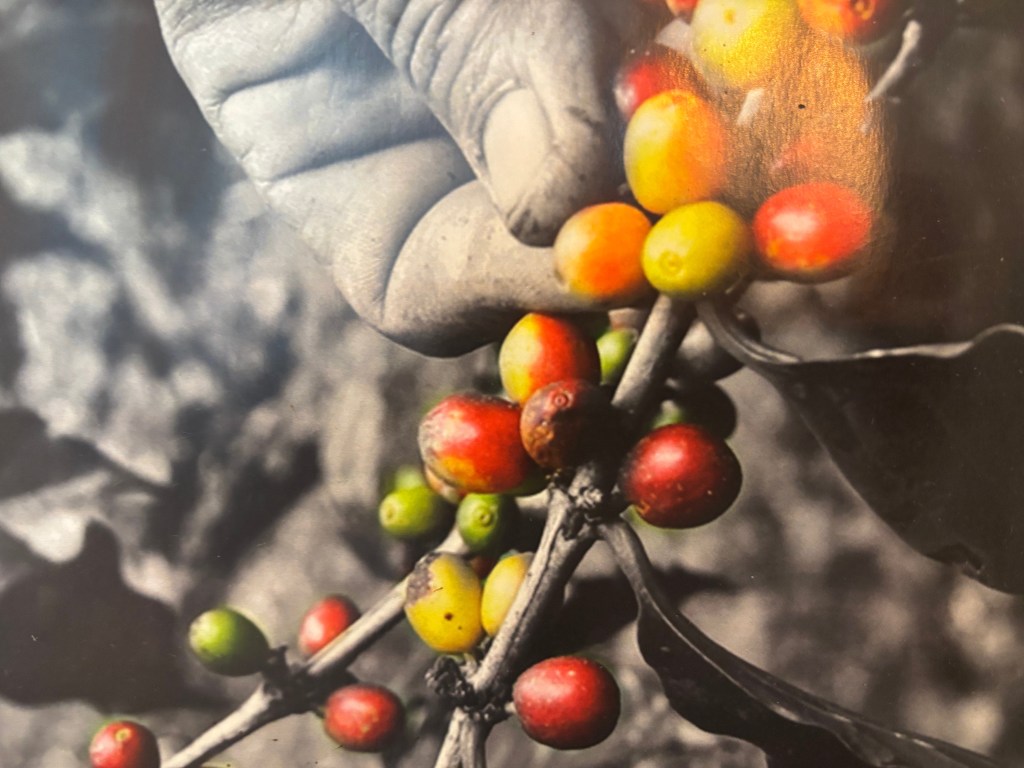
It’s almost poetic in a heartbreaking way: the very product that lifted the city to greatness also became tied to its decline.
You can still feel traces of that lost era when walking through old streets in Lipa. The ancestral homes remain beautiful, but many now carry the quiet sadness of history—reminders of a prosperity that once felt permanent.
Coffee built a city. And when coffee fell, the city changed with it.
Why Kapeng Barako Feels Emotional Today
Maybe that’s why drinking Kapeng Barako today feels different. It’s not just coffee anymore. Every cup feels like a memory of something larger: a forgotten Filipino success story.
A reminder that there was once a time when a local Philippine product stood proudly on the global stage.
Before imported café culture. Before international chains. Before flavored syrups and social-media aesthetics. There was Kapeng Barako. Pure. Strong. Filipino.
And somehow, despite everything—the collapse, the decline, the modernization—it survived. Not as the world’s dominant coffee anymore. But as heritage.
Reliving the Past in Modern Times
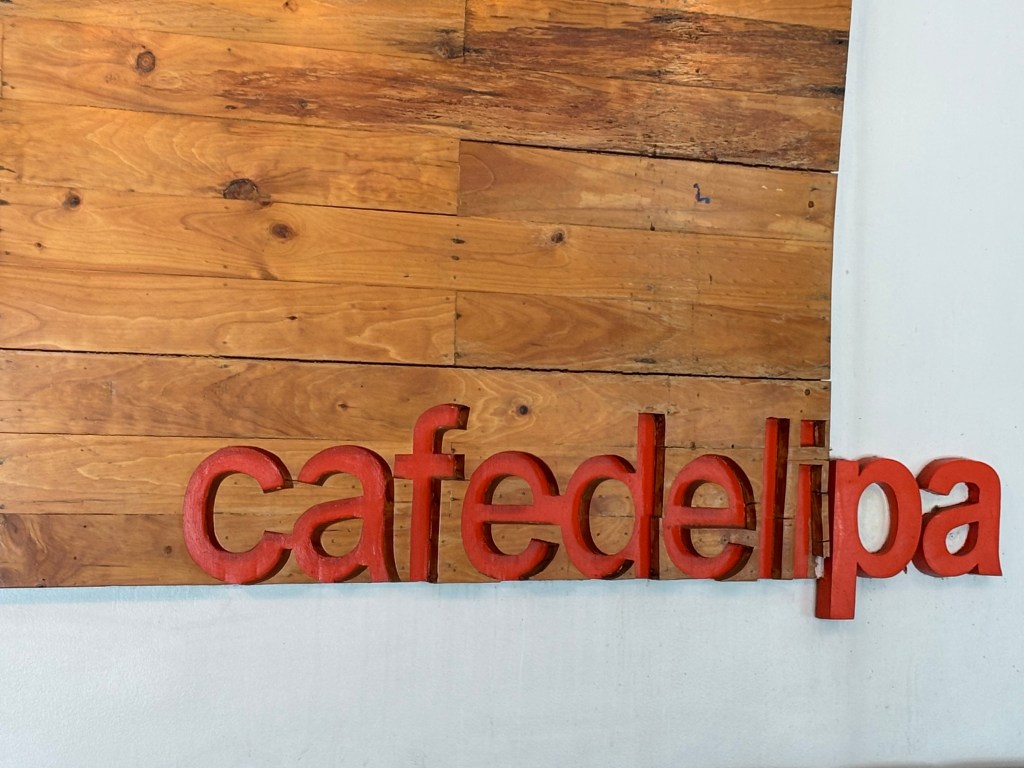
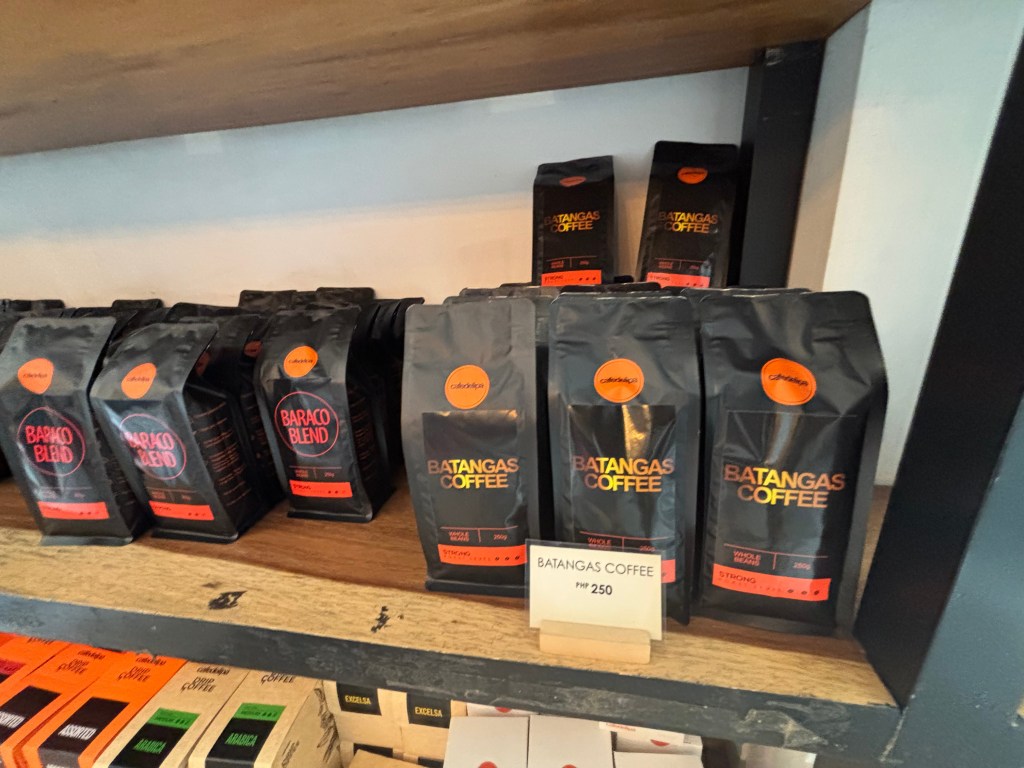
Today, cafés like Cafe de Lipa continue serving Kapeng Barako not as a trend, but as a continuation of identity.
And maybe that’s what makes the experience emotional.
Because when you drink it, you’re not just tasting coffee. You’re tasting echoes of an era when Lipa stood tall, prosperous, and proud because of something grown from its own soil.
In a world constantly chasing the next new thing, Kapeng Barako quietly reminds us that some traditions survive precisely because they refuse to change.
And perhaps that’s the real legacy of Lipa. Not just that coffee once made it rich—
but that even after losing its golden age, the city never lost its character.
Why This Story Still Matters Today
In many ways, the story of Kapeng Barako mirrors the Filipino experience itself. Resilient. Proud. Often overlooked. But impossible to erase.
Today, while global coffee chains dominate modern culture, Kapeng Barako survives quietly through local cafés, small farmers, and families who continue brewing it the old way.
Not because it is trendy—but because it means something.
And maybe that’s why drinking it in Lipa feels different. It feels personal. Like reliving the past in modern times.
An Invitation
The next time you find yourself holding a cup of Kapeng Barako, pause for a moment.
You’re not just drinking coffee. You’re tasting the rise of a city, the fall of an industry, and the enduring spirit of a people who refused to let their identity disappear.
And if you ever visit Lipa, don’t just look at the churches or ancestral houses. Ask yourself: How many of these stories were built by coffee?
Because once upon a time, Kapeng Barako didn’t just wake people up—it built an empire.
And if stories like this make you appreciate Filipino heritage in a deeper way, follow Happy Rabbit as we continue unboxing the traditions, flavors, and forgotten stories that shaped who we are—one bite, one place, and one cup at a time.

 Happy Rabbit PH
Leave a comment