
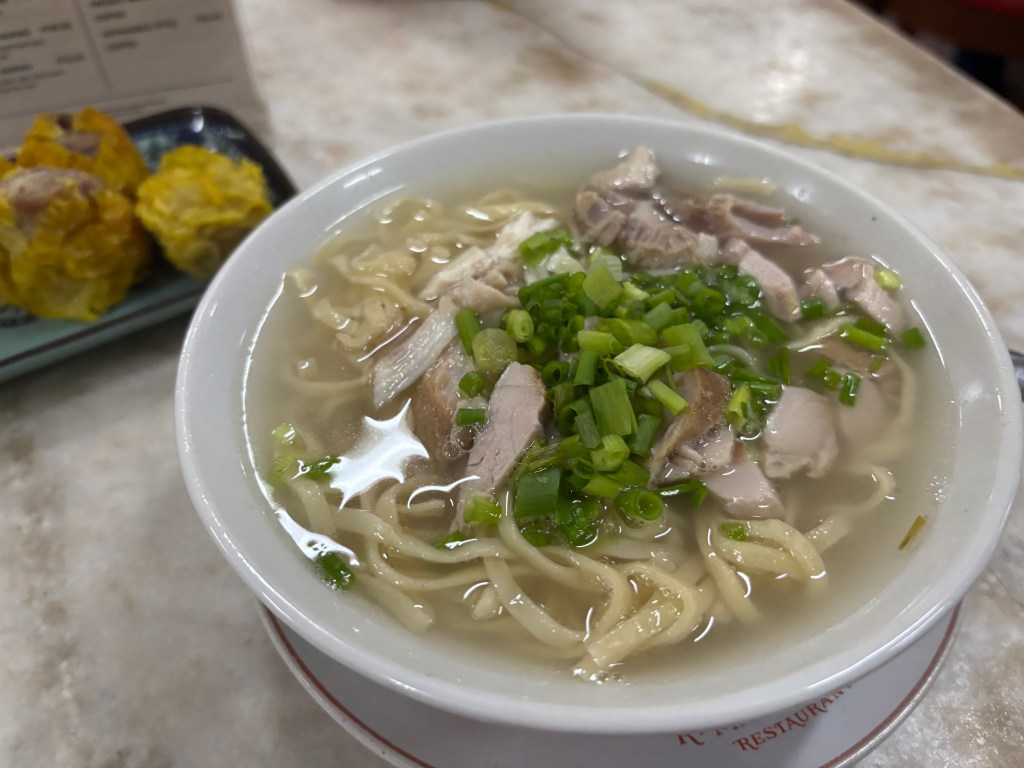
Mami is one of those foods that doesn’t just fill you up—it stays with you.
It is simple, familiar, and deeply comforting. A bowl many Filipinos reach for without thinking too much about it. Yet behind that simplicity is a history shaped by migration, adaptation, and everyday life.
Mami did not begin as something Filipino. But over time, it became inseparable from Filipino food culture.
The Man Behind the Bowl — Ma Mon Luk
The story of mami in the Philippines begins with Ma Mon Luk, a Chinese immigrant who arrived in the early 1900s carrying a simple noodle soup recipe and the determination to build a livelihood in a new country.
What he created was not just a dish, but a way of selling food that made it accessible to everyday people. He brought mami directly to the public—serving it, selling it, and making it part of Manila’s daily rhythm.
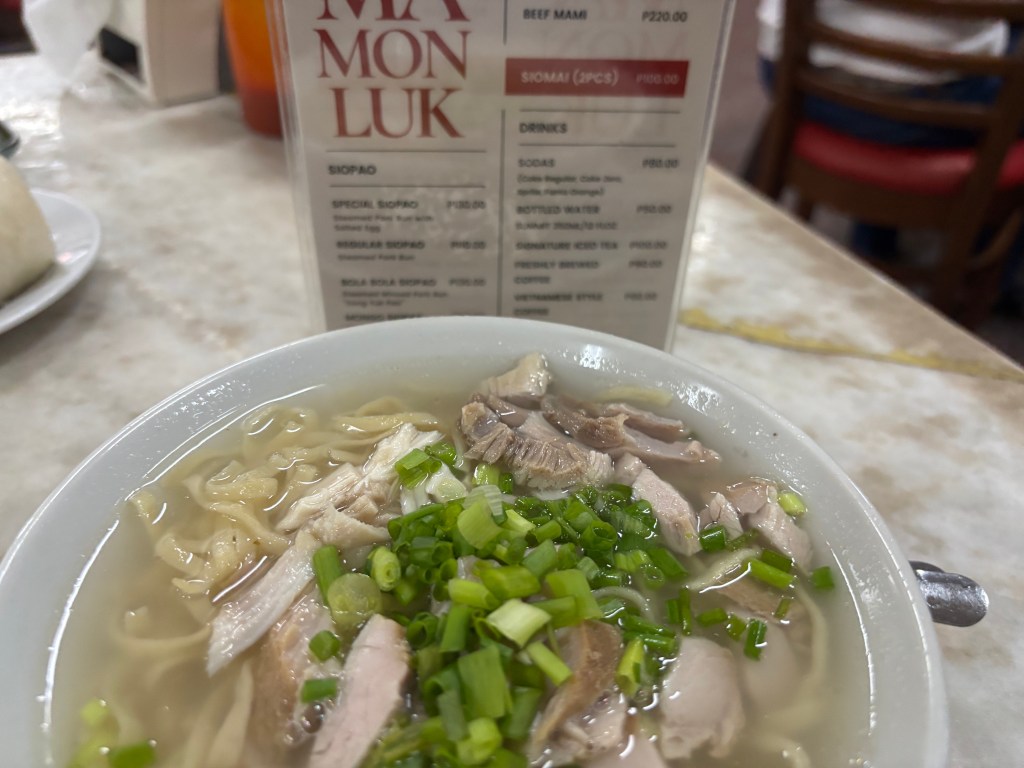
Through this approach, mami slowly became recognizable, not as something foreign or distant, but as something present in ordinary Filipino life.
Over time, his name became closely associated with the dish itself, marking the beginning of mami’s journey into Filipino culinary identity.
Ma Mon Luk — The Origin of a National Comfort
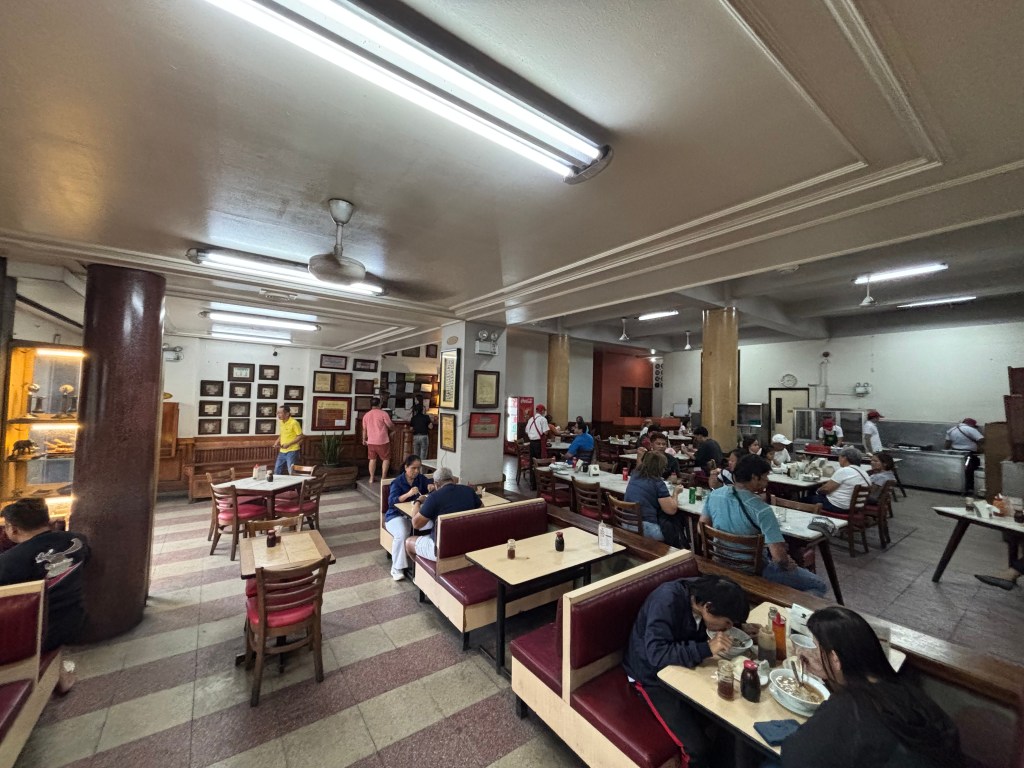
In Manila today, Ma Mon Luk stands as a continuation of that early legacy. It represents the original thread of mami culture in the Philippines—the point at which the dish became embedded in the everyday food experience of Filipinos.
Its enduring presence reflects consistency rather than reinvention. It is this continuity that allows it to remain connected to the early formation of Filipino-Chinese food culture in the city.
Space as Continuity
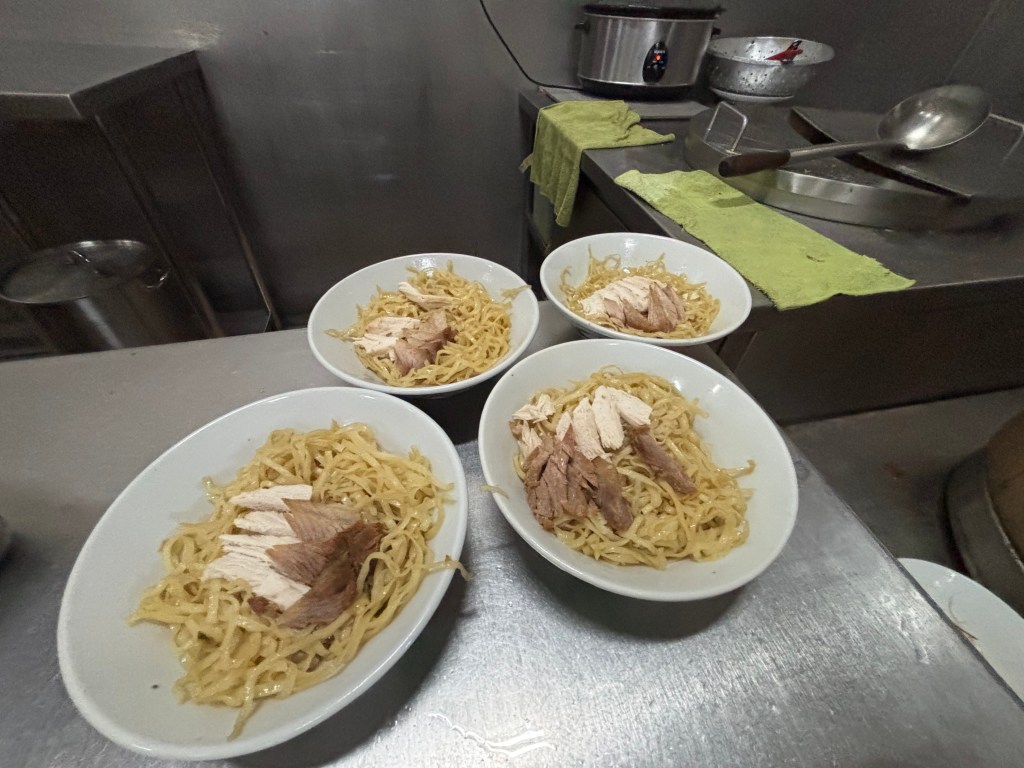
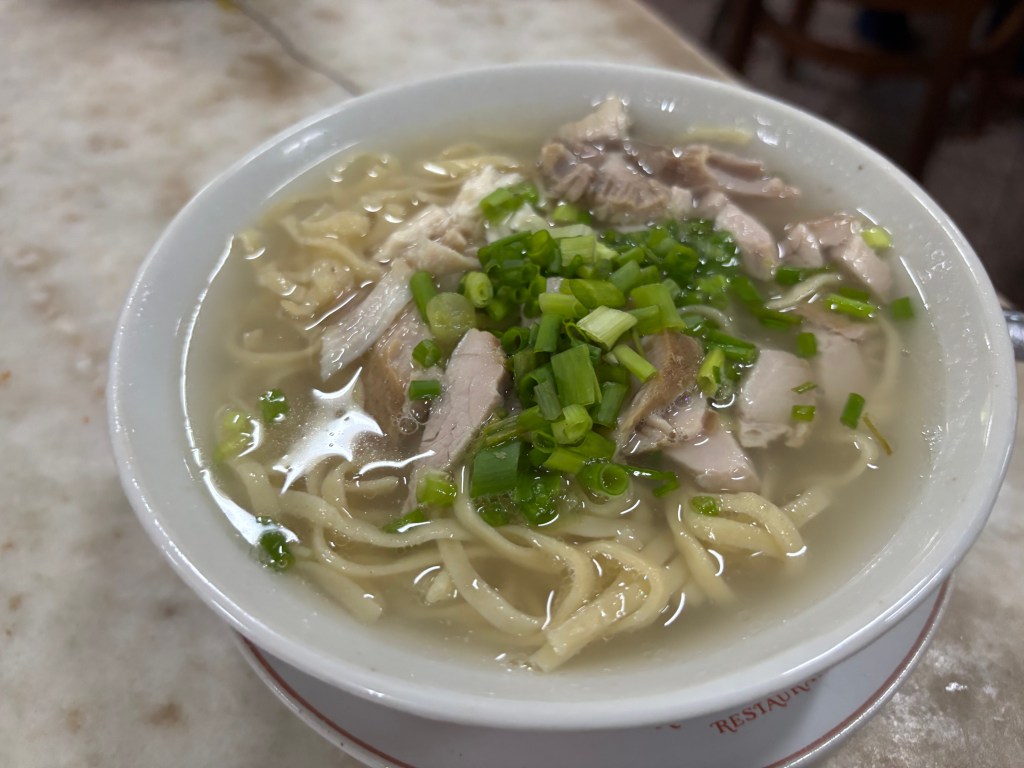
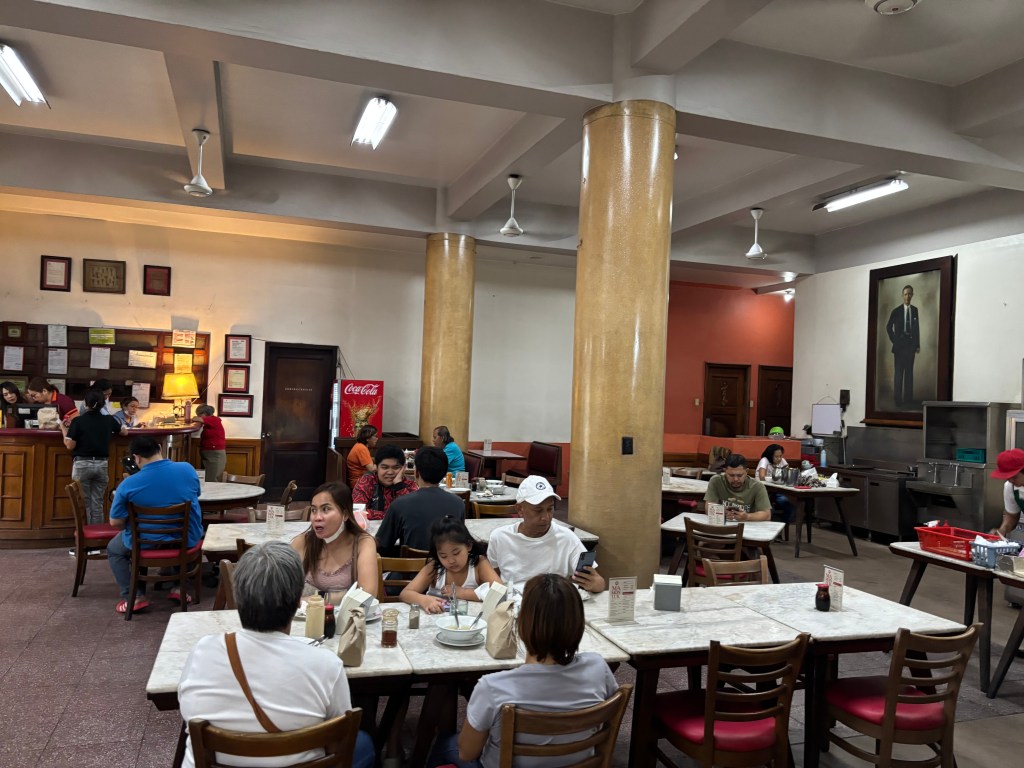
Establishments like this are not defined by visual complexity or modern reinvention. Instead, they are defined by continuity.
The experience is shaped by repetition: familiar ordering patterns, consistent dishes, and a steady flow of customers who already understand what they are coming for.
In this sense, the space itself becomes part of the cultural memory of the dish.
Masuki — Binondo’s Parallel Legacy
In Binondo, Masuki exists within the same broader historical landscape, but as a separate and independent establishment.
It is important to note that Masuki is not part of Ma Mon Luk’s family or business lineage.
Rather, it belongs to the wider Binondo Chinese-Filipino culinary environment that developed during the same historical period when noodle houses, panciterias, and mami shops were becoming established across Manila.
Masuki represents how mami culture expanded within Binondo’s food ecosystem—shaped by the same immigrant influences, adapted to the same local context, and sustained by the same growing demand for affordable, comforting noodle dishes.
Ma Mon Luk represents the early popularization of mami in Manila. Masuki represents its continuation within Binondo’s broader culinary tradition. Together, they reflect parallel developments within the same cultural moment rather than a direct lineage.
Identity in a Bowl
Mami reflects a broader truth about Filipino food identity. It is not fixed or singular. It is shaped by migration, adaptation, and long-term cultural acceptance.
What began as a Chinese noodle soup evolved through local tastes and everyday consumption into something that is now widely recognized as part of Filipino comfort food culture.
This transformation is not about ownership. It is about integration over time.
Why It Endures
The continued relevance of mami—whether in Ma Mon Luk, Masuki, or countless other local eateries—lies in its familiarity.
It does not rely on reinvention. It relies on memory.
People return to it not only for its taste, but for its consistency and emotional familiarity. It represents a kind of food experience that remains stable even as the city around it changes.
Cultural Meaning
Mami sits within a larger narrative of Filipino cuisine shaped by interaction rather than isolation.
It reflects how food cultures evolve through contact, adaptation, and shared experience.
Ma Mon Luk and Masuki, in their own ways, illustrate this process within Manila’s Chinese-Filipino culinary history—one marking early popularization, the other representing sustained community presence within Binondo.
Together, they help show how Filipino food identity is formed: not in a single origin point, but through layers of influence over time.
A Reflection
Mami is more than a dish that crossed cultures.
It is a reminder that Filipino identity itself is layered—shaped by movement, memory, and acceptance.
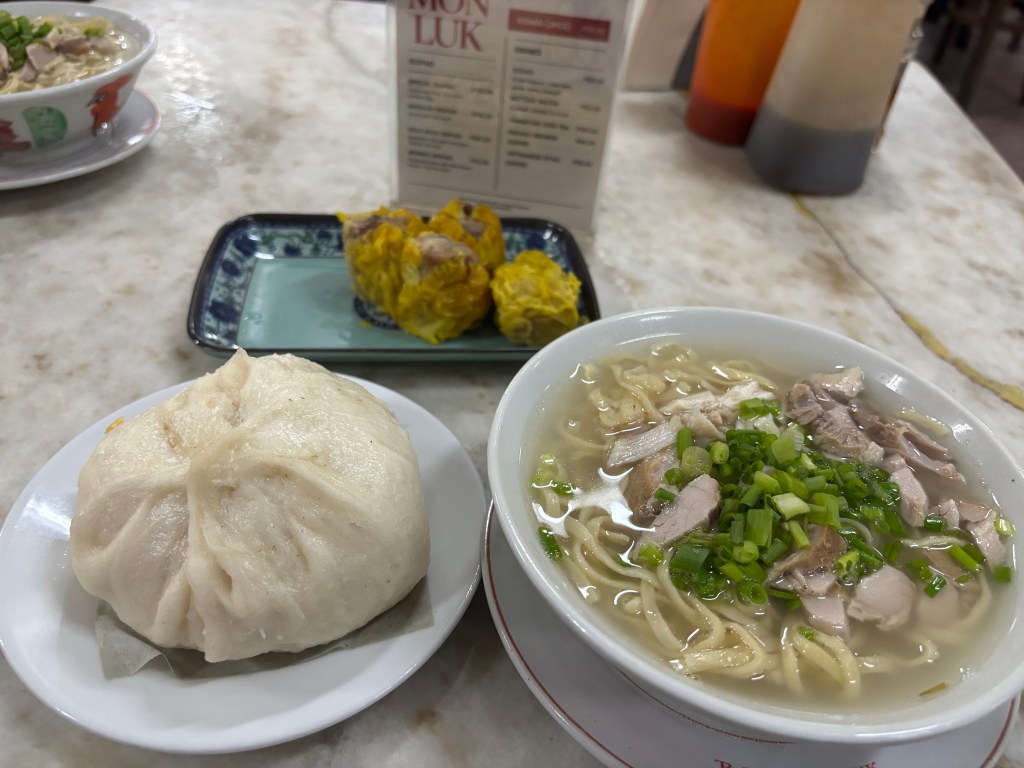
What started with one man and continued through communities like those in Binondo eventually became something deeply familiar to everyday life. Not because it remained the same—but because it became shared.
And in that shared familiarity, mami became part of what it means to eat, remember, and belong in the Philippines.

 Happy Rabbit PH
Leave a comment