
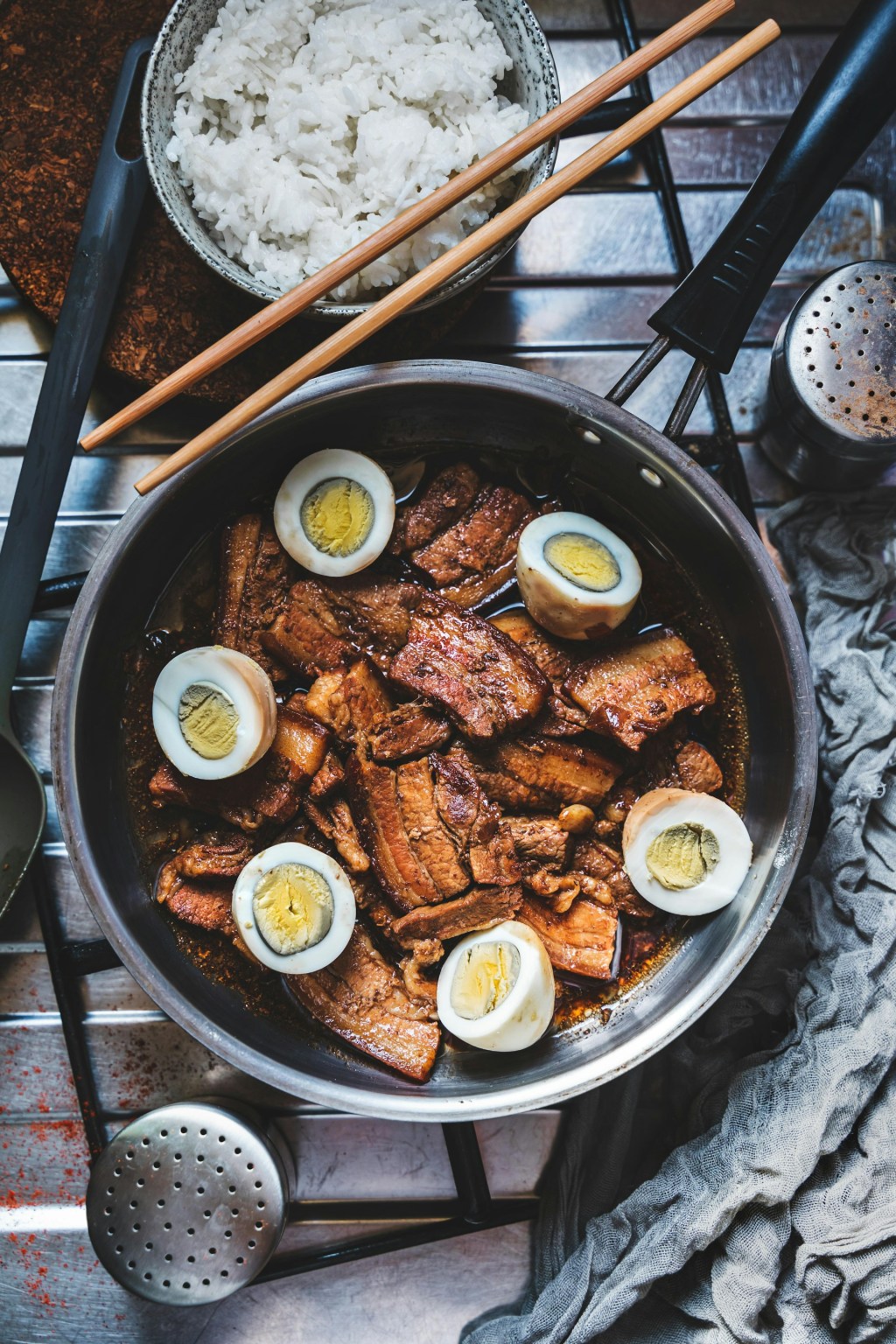
Did you know that some of the dishes we think of as Filipino classics today actually came from Spain—but evolved so much here that they’ve become part of our national identity?
It’s one of the most fascinating things about Filipino food.
Because unlike other cuisines that stayed neatly within borders, Filipino cuisine became a living archive of centuries of trade, colonization, adaptation, survival, and creativity. And among all those influences, perhaps none left a deeper mark on the Filipino dining table than Spain.
But here’s the interesting part: Spanish food in the Philippines never stayed completely Spanish. It changed.
And eventually, somewhere between fiestas, family gatherings, and generations of home kitchens, it became something uniquely Filipino.
Before the Spanish: The Original Filipino Table
Long before Spain arrived, early Filipinos already had a thriving food culture.
Meals were built around rice, seafood, native vegetables, vinegar, coconut milk, ginger, and tropical fruits. Food was grilled over fire, cooked in clay pots, wrapped in leaves, or preserved through salt and vinegar to survive the tropical climate.
In other words: Filipino cuisine already had identity long before colonization.
Then came over 300 years of Spanish rule—and with it came olive oil, sausages, cured meats, stews, pastries, tomatoes, garlic, onions, and an entirely different culture surrounding food.
But what makes Filipino cuisine remarkable is this: We didn’t simply copy Spanish food. We transformed it.
The Filipino Fiesta: Where Spanish Influence Truly Stayed
Perhaps the greatest Spanish influence on Filipino food wasn’t a single dish. It was the idea of food as celebration.
Catholic fiestas introduced large communal gatherings centered around patron saints, holidays, and family events. And naturally, those gatherings needed food—lots of it.
That spirit still exists today: overflowing tables, giant serving platters, endless rice, relatives insisting you eat more, and dishes designed to be shared family-style.
In many ways, Filipino dining became emotional theater. Food wasn’t just nourishment anymore. It became hospitality. Status. Generosity. Community.
And honestly? Few cultures feed guests with the same determined intensity as Filipinos.
The Dishes That Traveled Across Oceans
Some of the most iconic “Filipino” dishes today actually began as Spanish dishes that evolved locally over generations.
Paella: Filipino Celebration Food
Originally from Valencia, Spain, paella arrived during the colonial era as a luxurious rice dish cooked with saffron, seafood, and meats. But in the Philippines, it adapted to local tastes and ingredients.
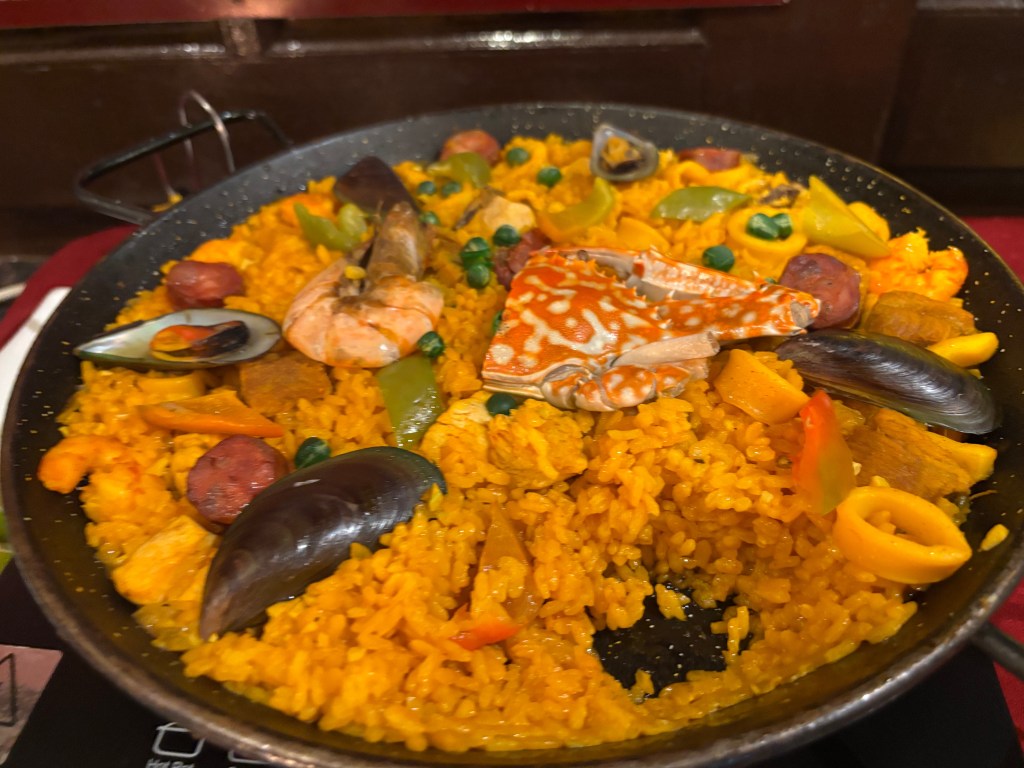
Filipino versions became richer, sometimes sweeter, more colorful, and deeply tied to celebrations. Variations like arroz valenciana even incorporated coconut milk and local spices.
Today, paella doesn’t feel foreign in the Philippines anymore. It feels like Christmas. A town fiesta. A wedding. A family reunion where someone inevitably brings home leftovers in a plastic container.
Callos → Comfort Food Through Time
Callos began as a traditional Spanish tripe stew. But Filipinos embraced its slow-cooked richness, tomato-based sauce, and deeply savory flavor.
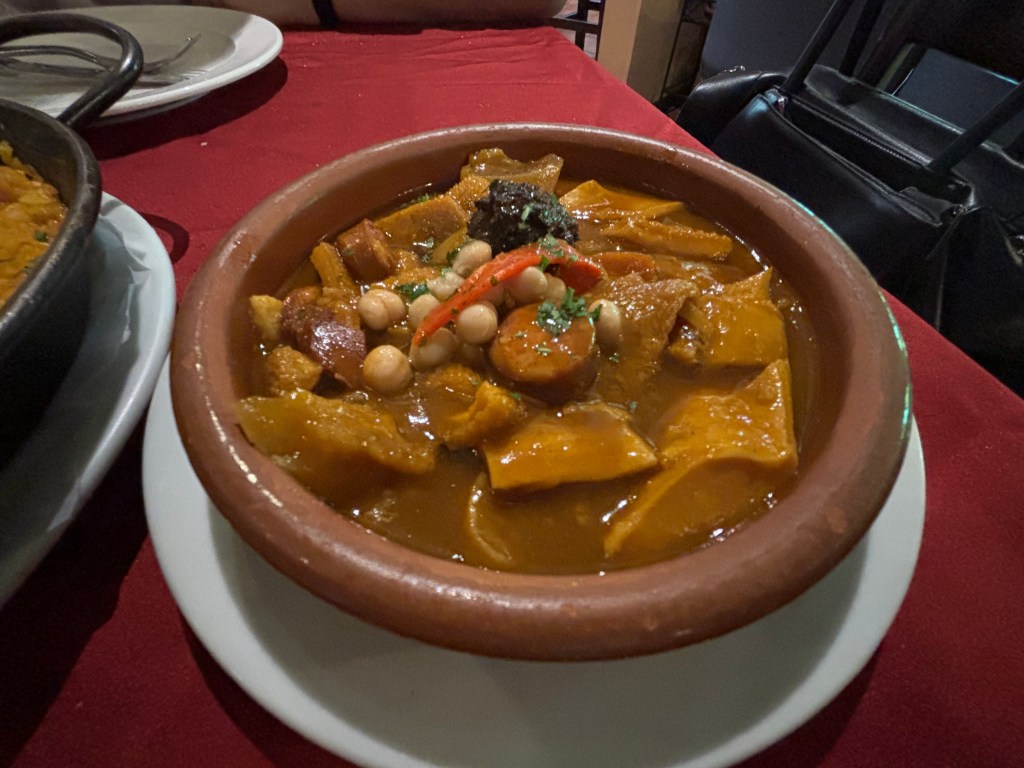
Over time, local kitchens adjusted the seasoning, texture, and serving style to fit Filipino tastes. And somehow, a dish once rooted in Spain became comfort food in Filipino gatherings.
That’s the fascinating thing about culinary history: sometimes dishes stop belonging to one place.
Adobo — A Perfect Example of Cultural Blending
Ironically, one of the most iconic Filipino dishes wasn’t imported from Spain at all.
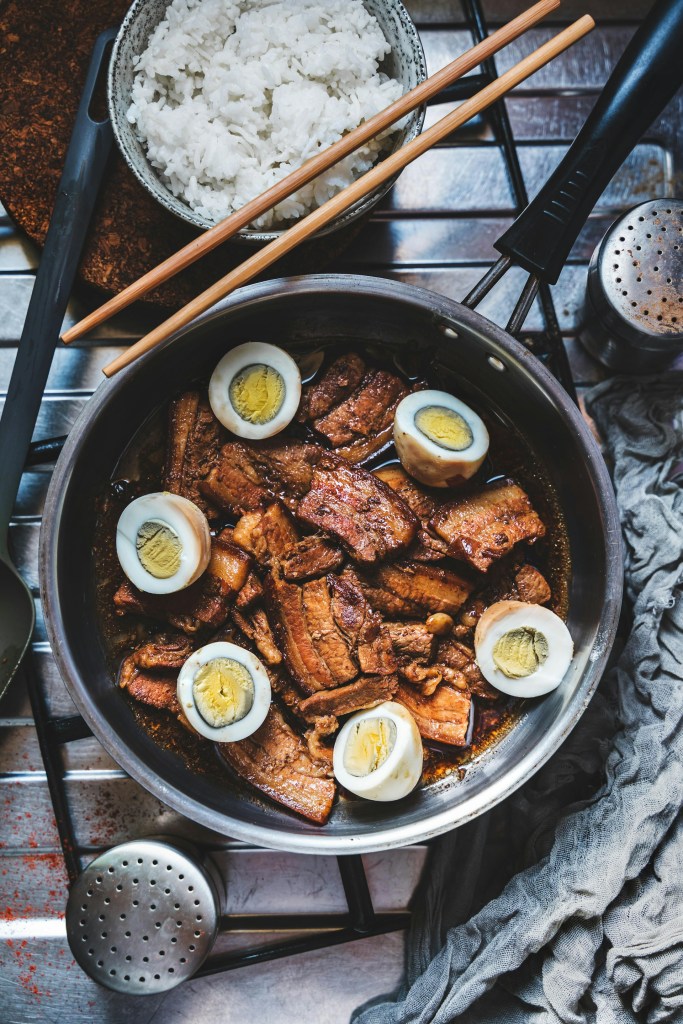
Early Filipinos were already preserving meat in vinegar and salt before colonization. When the Spanish encountered the dish, they called it adobo, from the Spanish word adobar, meaning marinade or seasoning. The cooking method remained deeply local. But the name stayed Spanish.
That single dish perfectly captures Filipino food culture: native roots layered with foreign influence.
Why Spanish Food Feels Familiar in the Philippines
Here’s something interesting when Filipinos eat Spanish-inspired food. It rarely feels “foreign.”
Because generations grew up with these flavors: tomato-based stews, cured meats, garlic-heavy dishes, roasted meats, festive rice platters, caramel desserts, and long meals shared with family.
Spanish cuisine in the Philippines became absorbed into memory. And memory is powerful.
A spoonful of paella can remind someone of Christmas Eve. Leche flan might taste like childhood birthdays. Callos may bring back memories of grandparents and Sunday lunches. In many ways, eating these dishes today feels like reliving the past in modern times.
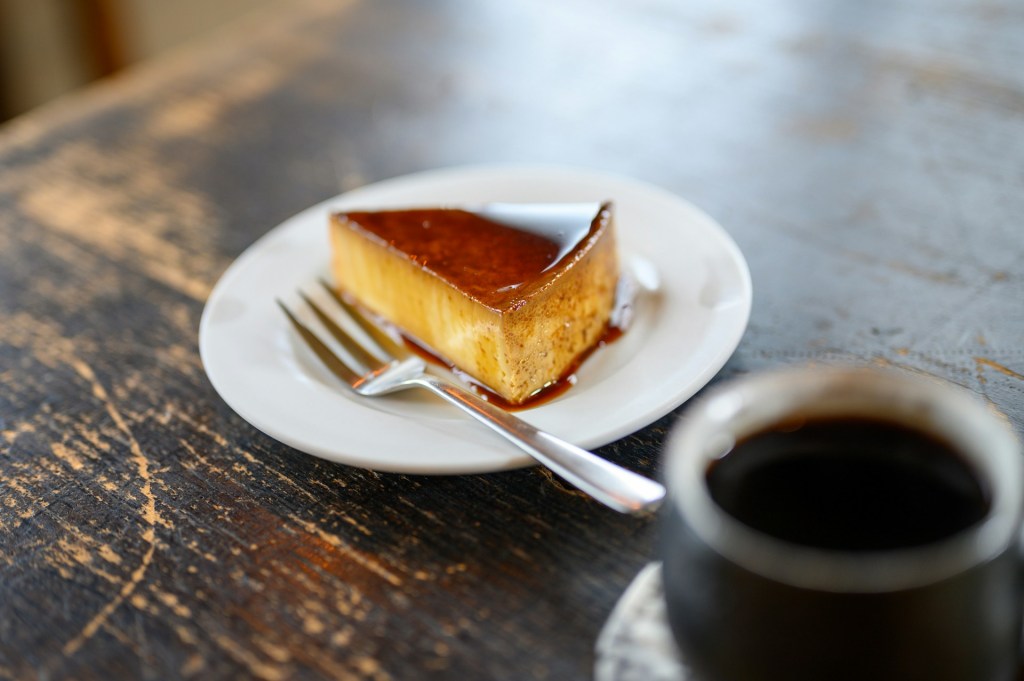
At some point, these dishes stopped being colonial imports. They became part of Filipino emotional identity.
The Most Filipino Thing About Filipino Food
The Philippines has always been shaped by layers: Malay roots, Chinese trade, Spanish colonization, American influence, and regional traditions from hundreds of ethnolinguistic groups. And Filipino cuisine reflects all of it.
That’s why asking whether Spanish food in the Philippines is still foreign may actually miss the point. Because Filipino identity itself was never built from a single source.
It was built through adaptation. Through transformation. Through generations of families gathering around the same table, sharing recipes that survived time itself.
Maybe that’s why these dishes feel so emotional to Filipinos. Because beyond the flavor, they remind us of people: grandparents preparing food before dawn, Christmases that felt endless, town fiestas filled with noise and laughter, and the simple comfort of eating together after a long day.
So the next time you take a bite of paella, callos, or leche flan, remember:
you’re not just tasting Spanish influence. You’re tasting centuries of Filipino memory, resilience, and identity served on a single plate.
In a world of fast food trends and viral dining spots, these heritage Spanish restaurants stand as living reminders of a culinary legacy that never truly disappeared.
And if this story reminded you of a family tradition, a childhood memory, or a dish that feels like home, share this article with someone you’d want to share a table with.
Because sometimes, the best way to preserve heritage is simply to keep the story going.

 Happy Rabbit PH
Leave a comment